
Ovelha Dorper: Características, Vantagens e Produção de Carne
April 6, 2026Why mother sheep reject their lambs
April 29, 2026History
The raceFrisian MilchschafIt is native to the East Frisian Islands, north of Germany and the Netherlands (Holland). Due to its place of origin it is also known asOstfriesischesMilchschaf,EastFriesian, Friesian and Friesian sheep. This breed has been selected by the Germans for more than 600 years.
It is considered the breed of sheep oflargest milk production in the world.
It is also used to cross with other breeds of sheep to improve the milk volume and fertility of breeds that are not sheep.
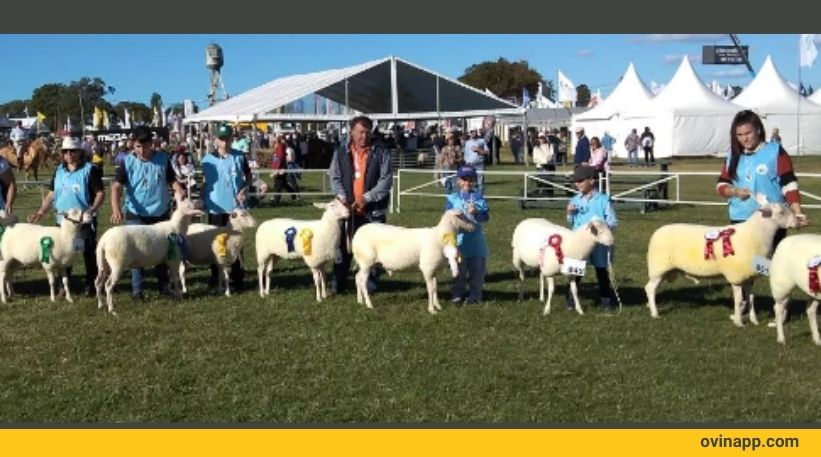
In the case of extensive and large herds, it is not a breed that adapts very well and is not very resistant for this type of production scale.
The Friesian or Friesian Milchschaf breedIt has been used modernly for the creation of synthetic racesfocused on milk production or maternal biotypes. Some examples to cite:Assafin Israel,British Milksheepin the United Kingdom, in Canada it was used to develop theRideau Arcott, etc.
Regarding its adaptability to the environment, the introduction of this sheep breed was not a success due to adaptation problems and lower performance.
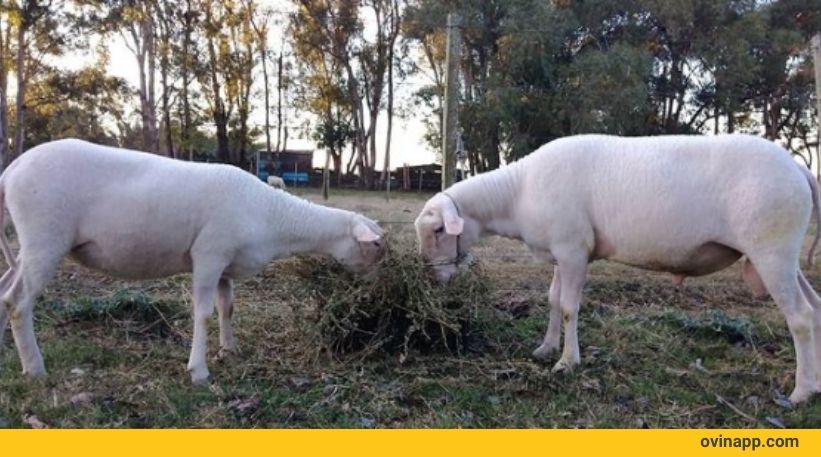
The interest that his upbringing has stimulated in other South American countries such as Brazil, Argentina, Colombia and Uruguay is very evident. Its distribution is also in Canada, Australia, Cyprus, Hungary, Mexico, Peru, South Africa, the United States of America, Croatia, Serbia, Finland, Greece, Poland, the Netherlands and of course Germany.
Characteristics of the Friesian Milchschaf sheep breed
Phenotypically The Association of Rhineland Sheep Producers (Germany) described the breed as aovine high waisted, approximate weight between57 to 75 kg mature sheepandrams between 90 and 120 kgin Germany. In contrast, data presented by Boyazoglu (1970) indicate that females on average can weigh 80 to 100 kg and males 110 to 130 kg.
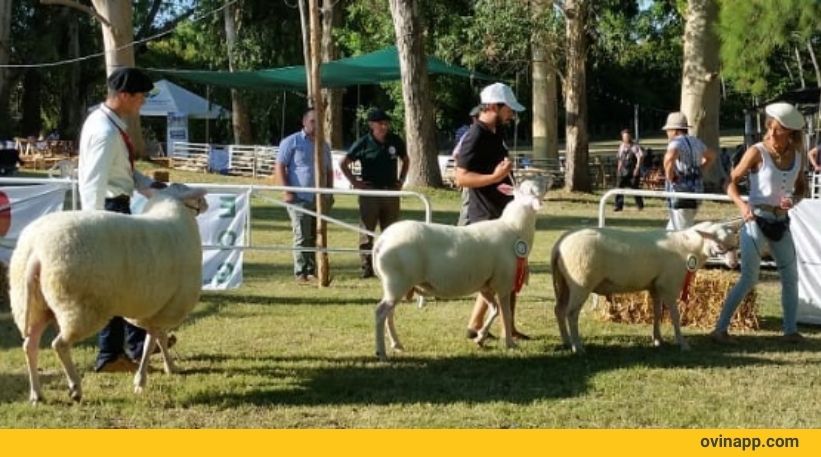
Other characteristics that distinguish the breed is itslong white woolfrom 11 to 20 cm and amicronage between 25 to 32, characteristics that prevent it from standing out as a wool breed. His nose is blunt and his face is long.
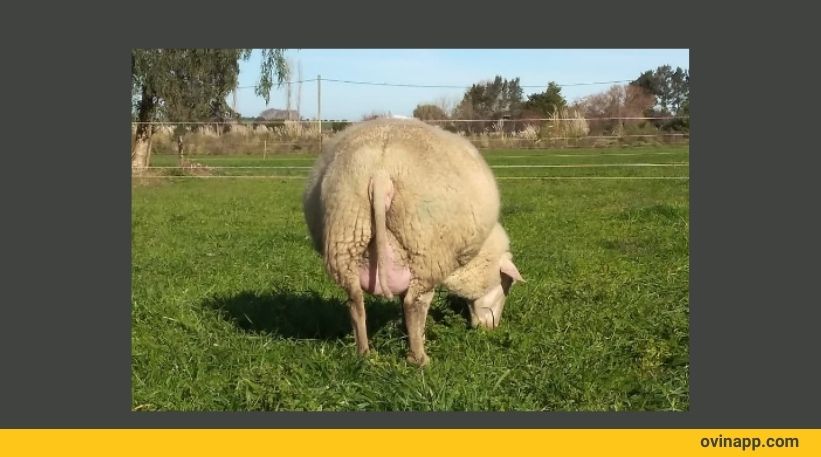
The most distinctive feature of this breed is its tail,the tail is long and devoid of wool, similar to a “rat” tail (Thomas, M. Berger, & C. McKusick, 1998)
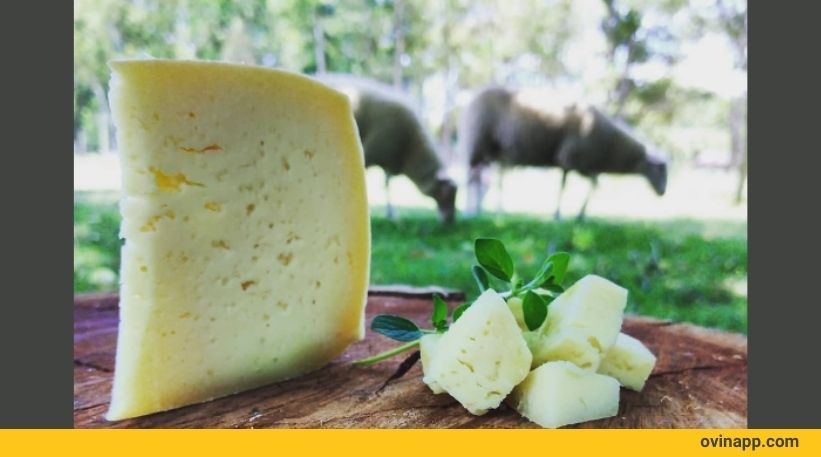
The sustainable production of milk provided by the Friesian breed allowsproduce on average about 50 kilos of cheese per year.
Maternal Skill
It is known for its prolific potential, which supported by itsexcellent mothering skillsIt is ideal for raising lambs with good weight gains. For this reason, it has been used in crossbreeding to improve milk production, and in the percentage of lambing of other sheep breeds to improve them in several countries since the 70s. (Barbato et al., 2011; Farid & Fahmy; frisonamilchschaf.uy, 2017).
Adding to its dairy capacity, the breed is well known in three aspects:early sexual maturity, fertility and rapid growth. Reproductively,More than 90% of sheep reach sexual maturity at 7 monthsand males at one year of age. The sheep are very prolific, with a prolificacy of 230% in mature sheep. Data regarding its management as a pure breed.
They are excellent mothers, they produceearly lean meat lambs. It generally has a high ovulatory rate, resulting in double or triple lambing, meaning its lamb production is HIGH.
It has adocile temperament and great acceptancetowards humans, since traditionally Milchschaf sheep were kept in small flocks of 2 to 3 sheep, whose purpose was the daily milk supply for homes. This feature allows for intensive handling thatfacilitates its adaptation to small-scale management or confinement(Farid & Fahmy; Gräser & Hinrich Sambraus, 2001).
What is the milk of the Friesian Milchschaf like?
It is considered the breed of sheep oflargest milk production in the world, with aaverage annual yield of 523-630 liters, whoseBreastfeeding duration is between 180 and 210 dayswith6 to 7% milk fat. Like goats, their milk is naturally homogenized, meaning smaller fat globules and more medium-chain fatty acids thanpositively help in digestion.
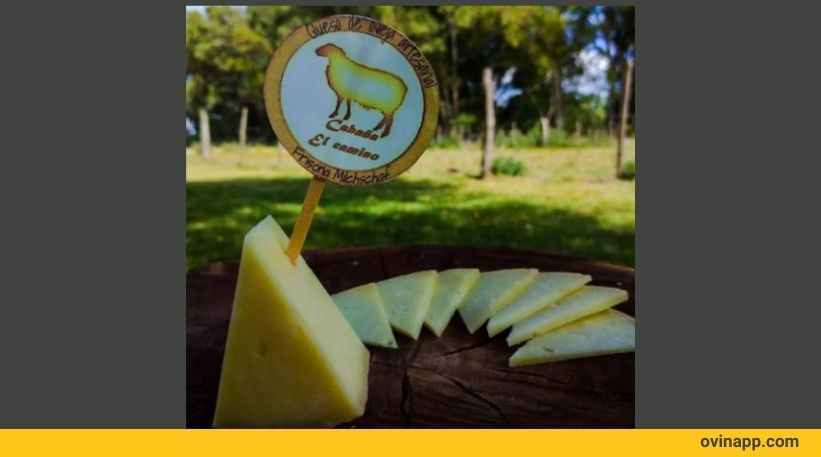
Sheep’s milk has been used for centuries toproduce fine, creamy and very tasty cheeses.
Another purpose of the uses that can be given to this milk is also for the production ofice cream and yogurt.
This breed is an excellent opportunity for the sustainability of the family farm, especially if a family member has trouble digesting cow’s milk. Sheep and goat milk is highly recommended for those people who are lactose intolerant and/or have problems digesting cow’s milk.
Summary of abilities of the Milchschaf Friesian breed
Below is a summary of the characteristics of the Milchschaf Friesian Breed.
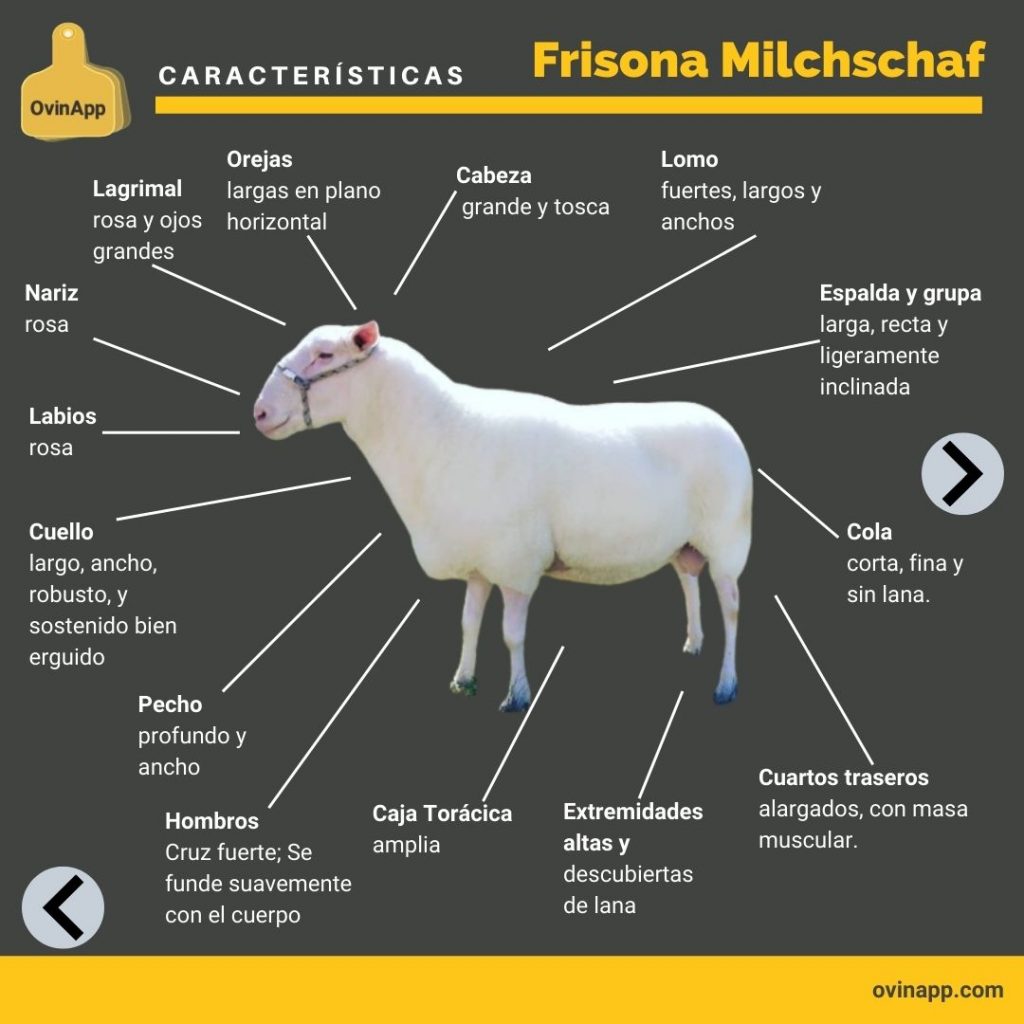
Morphologic
- Color: white, some purebred specimens with spots are known, there is also a dark variation of these animals.
- skin color: pink
- Leg color: white
- Head: white face
- Nose: pink
- Hoof Color: pale
- Horn size: in both sexes it does not have.
- Cross height: 75 cm (female) 80 cm (male)
- Female Weight: 75kg
- Male Weight:120kg
- Line: short and fine (without wool, completely exposed).
- body size: big
- Ear: Ears long and placed on the side of the head in a horizontal plane
- Other specific visible features: They have a large and coarse head, long and deep body, very convex profile. The watery pits are very pronounced, and their eyes are large. The neck is strong. Loins are strong, long and wide, with the rump slightly inclined. The feet are high, dry and strong. The udder is highly developed in width, length and depth, with well-formed breasts. The skin is thin, elastic and pink. Fertility is very well expressed. Their heads, legs, tail and udders are clean of wool.
Production
- wool or hair: wool
- wool type: medium fleece
- Average weight: 4.9
- Fiber diameter: 25mm
- Average breastfeeding duration: 200 days
- Milk production per lactation Average: 500-600kg
- Milk production by lactation: 500 ~ 900kg
- Milk production per day Average: 2.62kg
- Average milk fat: 6 to 7%
- milk fat: 4 to 8%
- Average milk protein: 5,23 %
- Special feature of the product– Has the highest average milk production recorded for any breed of sheep. The quality of the milk is very good and it is used for the production of cheese, ice cream and yogurt.
Reproduction
- reproductive age: 7 months (female) 8 months (male)
- Percentage of births: 2.3
- Average number of lambs per delivery: 2 to 3
- Maximum number of lambs born per lambing: 5
InOvinAppWe have an exclusive panel for sheep milk production.
OvinApp is aFree application for sheep management, control and handling for small and medium producers.
Canidentify your sheep, assign them therams for breeding, define mating dates and the application will tell you theprobable delivery datesand in case you forget, he will send younotifications to keep you alertin those days when there is ahigh probability that births will begin.
Then, when themilk productionof your sheep, you will be able to go to each sheep andmake recordsof production byliters of milk dailyobtained by each animal and bymilking time(in the morning or afternoon).
With the daily records of each sheep, you will be able to enter each sheep and know their historical data to make the best decisions for your sheep farm.
Inour reportsyou will be able to find one in particular with the nameDairy Recordsand there you can find out:
- Number of liters of milk producedin your establishment and per sheep.
- Analyze daily production by date rangeper sheep and from your establishment.
- Average breastfeeding durationfor sheep and from your sheep farm.


Largest sheep milk producers in the world | 1961 to 2018 (in tons)
We leave a video showing the evolution of Milk production in different countries.
We especially thankEl Camino Cabinfor very kindly giving us their images for this publication. We invite you to know and follow yourFrisian Milchschaf hut, entering Instagram:el_camino_frisonamilchschaf

You can download OvinApp from the Apple Store or from Google Play, depending on the device you have, by clicking on the following images.


If you want to learn how to use all the tools it offers youOvinApp?
- Follow the following link if you want to knowhow to create your first sheep or goat in OvinApp.
- Do you want to find out a little more abouthow to control and manage sheep production with OvinApp.
- You can also click on the WhatsApp button and contact us.
You can see ourYouTube Channelwhere we explain thestep by stephow to start your journey withOvinApp!
You can alsofollow OvinApp on Facebook,OvinApp on YoutubeandOvinApp on Instagram.