

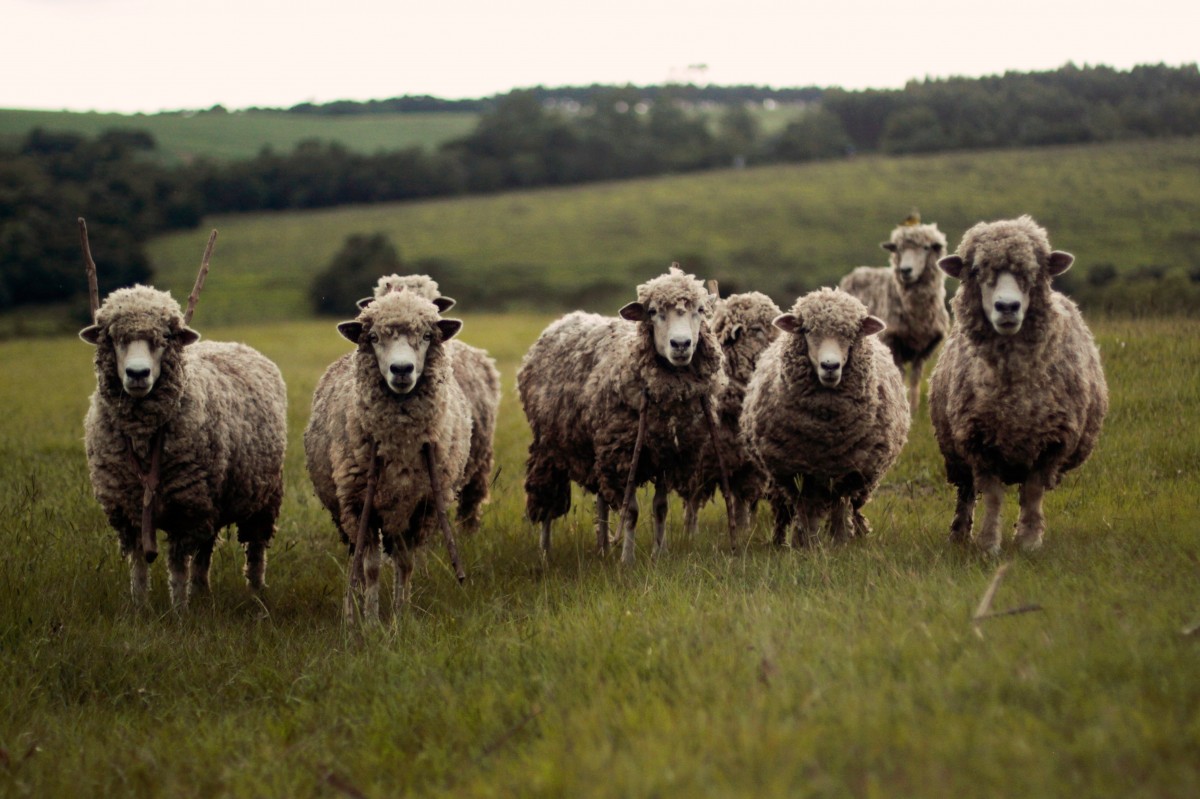
Diarrhea in Sheep: Causes, Treatment and Home Remedies
April 5, 2026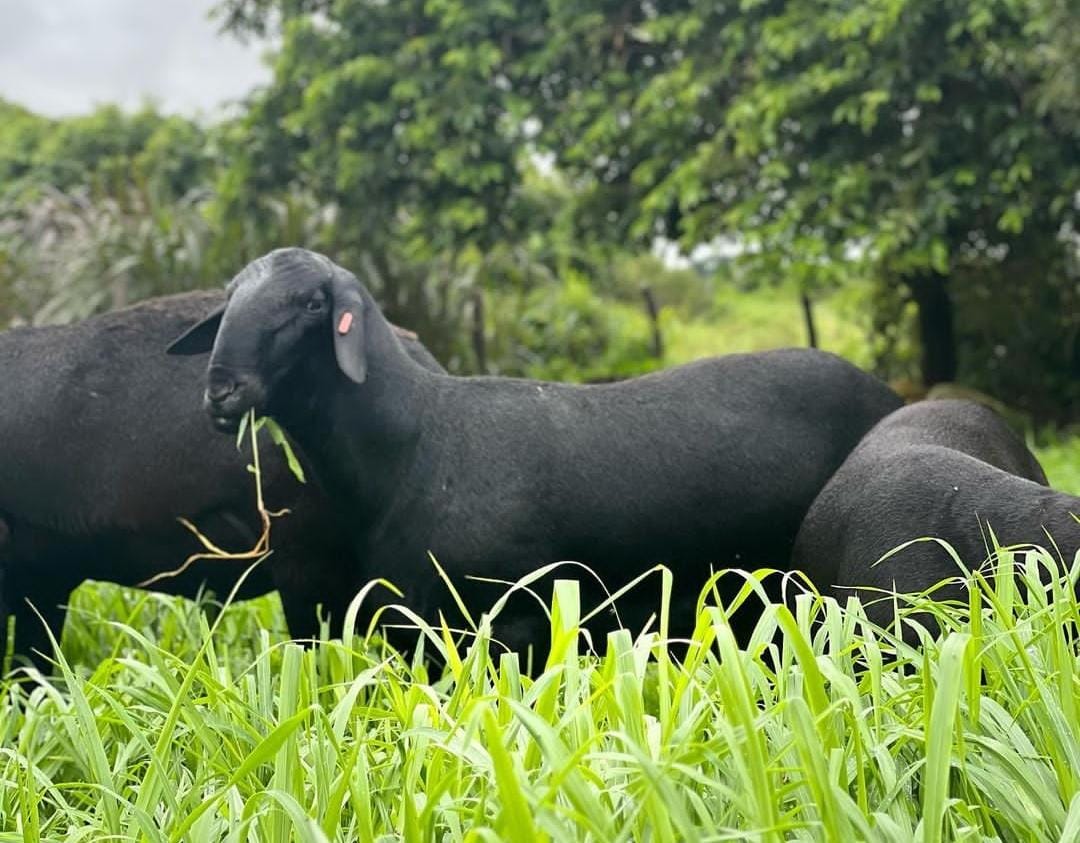
Santa Ines Sheep: Characteristics, Adaptability and Management
April 6, 2026One of the most common questions among sheep producers is: how many sheep can I run per hectare? The answer depends on multiple factors — pasture type, climate, breed, production system and management intensity. Getting the stocking rate right is critical for animal performance, pasture health and farm profitability.
In this guide we explain how to calculate the correct stocking rate for sheep and goats, and how to adjust it to avoid overgrazing and optimize your operation.
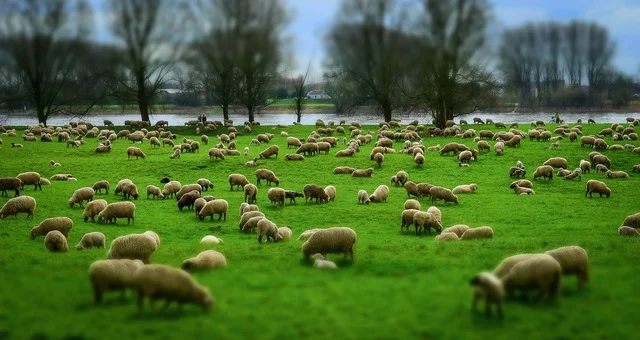
What Is Stocking Rate?
Stocking rate is the number of animals (or animal equivalents) per unit of land area over a given period of time. It is the key variable that determines whether a pasture is being used sustainably or is being degraded through overgrazing.
Stocking rate is often expressed as:
- Animals per hectare (animals/ha)
- Animal units per hectare (AU/ha) — where 1 AU = 1 cow of 450 kg
- Small ruminant units (SRU/ha) — where 1 SRU = 1 ewe of ~50 kg
General Reference Values for Sheep
The following are general reference values for sheep stocking rates by pasture type. These are starting points — actual capacity depends on your specific conditions.
- Improved tropical pasture (e.g., Brachiaria, Tifton): 8–15 ewes/ha
- Native or semi-arid pasture: 1–4 ewes/ha
- Temperate improved pasture (ryegrass, clover): 10–20 ewes/ha
- Arid or desert rangeland: 0.5–1 ewe/ha or less
- Irrigated pasture: 20–30 ewes/ha possible with supplementation
Important: These values refer to mature ewes. Lambs and rams have different dry matter requirements and must be factored in separately.
How to Calculate Stocking Rate on Your Farm
To calculate the correct stocking rate for your specific situation, follow these steps:
Step 1: Estimate Pasture Productivity
Determine how much dry matter (DM) your pasture produces per hectare per year. This requires either a forage assessment (cutting and weighing samples) or reference data for your pasture type and region.
- Brachiaria brizantha in tropical Brazil: 8,000–15,000 kg DM/ha/year
- Ryegrass/clover in temperate zones: 8,000–14,000 kg DM/ha/year
- Native Cerrado pasture: 2,000–5,000 kg DM/ha/year
- Semi-arid native (Caatinga): 500–2,000 kg DM/ha/year
Step 2: Determine Utilization Efficiency
Not all forage produced is consumed. A typical utilization efficiency is 50–70% for rotational grazing systems. The rest is trampled, rejected or left for soil organic matter. Continuous grazing systems have lower efficiency (30–50%).
Step 3: Calculate Dry Matter Available per Animal
A sheep consuming 100% of its diet from pasture requires approximately 3–4% of its body weight in dry matter per day. For a 50 kg ewe:
- Daily DM requirement: 50 kg x 3.5% = 1.75 kg DM/day
- Annual DM requirement: 1.75 x 365 = 638 kg DM/ewe/year
Step 4: Calculate Maximum Stocking Rate
Using the formula:
Stocking rate = (DM production/ha/year x utilization efficiency) / DM requirement/animal/year
Example: Brachiaria pasture producing 10,000 kg DM/ha/year, 60% efficiency, 50 kg ewes:
- Available DM: 10,000 x 0.60 = 6,000 kg/ha/year
- Requirement per ewe: 638 kg/year
- Stocking rate: 6,000 / 638 = 9.4 ewes/ha
Stocking Rate for Goats
Goats have similar dry matter requirements to sheep of the same body weight, but their grazing behavior differs significantly. Goats are browsers — they prefer to eat shrubs, leaves and brush over grasses. This means:
- In pastures with a significant shrub/tree component, goats can be stocked at similar or higher rates than sheep
- In pure grass pastures, goats are less efficient and compete poorly with sheep
- Mixed sheep+goat systems can make better use of total available forage by utilizing both grasses and browse
General goat stocking rate reference values are similar to sheep: 8–15 goats/ha on improved tropical pasture, 1–4 goats/ha on native semi-arid pasture.
Signs of Overgrazing
Overgrazing occurs when the stocking rate exceeds the pasture’s capacity to regenerate. Warning signs include:
- Pasture plants are grazed below 5 cm height consistently
- Bare soil patches appear and expand
- Weed and invasive species increase
- Animals lose body condition despite no change in management
- Stream banks and slopes show erosion
- Water quality in farm streams deteriorates
When you see these signs, reduce stocking immediately — either by moving animals or selling a portion of the flock. Recovery of degraded pasture takes months to years.
How to Increase Stocking Capacity
If you want to run more animals per hectare without degrading your pasture, consider:
- Rotational grazing: Divide your land into paddocks and rotate animals, giving each paddock adequate rest. This can double effective stocking capacity compared to continuous grazing.
- Pasture improvement: Introduce higher-yielding grass varieties, fertilize and lime as needed, and oversow legumes to fix nitrogen.
- Strategic supplementation: Providing energy/protein supplements during forage deficits allows higher stocking rates without overgrazing.
- Irrigation: Where economically feasible, irrigation dramatically increases pasture productivity.
- Silvopastoral systems: Integrating trees and shrubs adds browse for goats and improves overall land productivity.
Seasonal Adjustments to Stocking Rate
Pasture productivity is not constant throughout the year. In most systems there is a season of abundance (rainy season, spring/summer) and a season of deficit (dry season, winter). You have several options to manage this:
- Destocking: Sell animals before the dry/winter season to match flock size to available forage
- Conserved forage: Make hay, silage or haylage during peak production to feed during deficit periods
- Concentrates and crop residues: Supplement with grain, agro-industrial byproducts or crop residues during lean periods
- Strategic culling: Cull unproductive animals (open ewes, poor producers) at the start of the deficit season
Using OvinApp to track your flock size, animal movements between paddocks and body condition scores over time helps you make data-driven stocking rate decisions and catch overgrazing signals before they become serious problems.