
Hampshire Down Sheep: Characteristics and Meat Production
April 6, 2026
Nasal Bots in Sheep (Oestrus ovis): Clear Nasal Discharge, Symptoms and Treatment
April 6, 2026
Proper nutrition is the foundation of any productive sheep or goat operation. Whether you are raising animals for meat, milk, fiber or breeding, understanding what sheep and goats eat, how much they need and what to avoid is essential for keeping your flock healthy, growing and profitable.
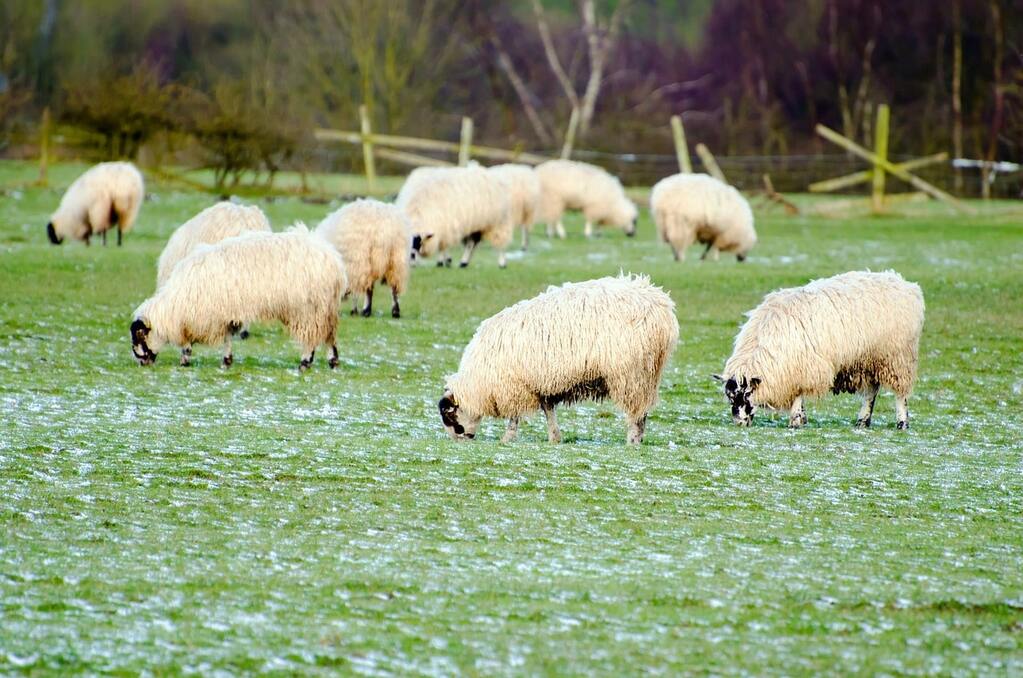
The Basic Diet: Roughage First
Sheep and goats are ruminants — their digestive system is designed to ferment fibrous plant material in a four-chambered stomach. This means their diet must be based primarily on roughage (forage and hay), with concentrates and supplements added to meet specific nutritional needs.
A general rule: roughage should represent at least 50–60% of the diet dry matter at all times. Diets too high in grain and too low in fiber cause serious digestive problems including acidosis, bloat and enterotoxemia.
Fresh Pasture and Forage
Fresh pasture and forage are the ideal base diet for sheep and goats. High-quality pasture provides protein, energy, vitamins and minerals in a balanced, natural form. Key considerations:
- Allow animals access to fresh pasture as much as possible
- Ensure pasture grasses and legumes are clean and free of chemical contamination (pesticides, herbicides)
- Rotate pastures to maintain quality and reduce parasite burden
- Tropical grasses (Brachiaria, Tifton, Panicum): excellent for meat production in warm climates
- Temperate grasses + clover/legumes: higher protein content, ideal for lactating ewes and kids
- Goats prefer to browse (shrubs, leaves, bark) over grazing — incorporate browse into the system when possible
High-Quality Hay
When fresh pasture is unavailable (dry season, winter), good-quality hay is the primary forage source. What makes hay high-quality?
- Cut at the right stage (before seed heads form) — earlier cutting = more protein and digestibility
- Properly dried and stored — no mold, no dust, green color retained
- Legume hay (alfalfa, clover) is higher in protein (16–20%) than grass hay (8–12%)
- Offer hay free-choice in racks, not on the ground — reduces waste and contamination
- Intake: approximately 2–4% of body weight per day in dry matter
Alfalfa hay is especially valuable for lactating ewes and does, growing lambs and kids in finishing, and animals under stress. However, too much legume hay for dry ewes can cause urinary calculi in males — balance with grass hay.
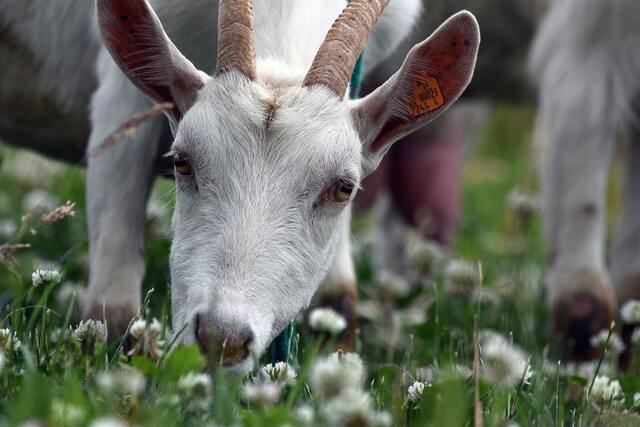
Concentrates and Feed Supplements
Concentrates (grain and energy/protein supplements) are used to complement the forage base when nutritional requirements cannot be met by roughage alone. Main uses:
- Lambs and kids in finishing: 200–500 g/day of concentrate (corn, soybean meal or commercial pellet at 16–18% crude protein)
- Lactating ewes and does: 300–500 g/day per animal, depending on litter size and milk production level
- Flushing: Increase nutrition 2–3 weeks before mating to boost ovulation rate (extra 200–300 g/day)
- Late gestation: 200–400 g/day to prevent pregnancy toxemia and ensure good colostrum production
Common concentrate ingredients:
- Corn (maize): main energy source — 8.5% protein, 3,300 kcal ME/kg
- Soybean meal: main protein source — 44–48% crude protein
- Wheat bran: good fiber + phosphorus, useful in transition diets
- Cottonseed meal: protein source, must limit due to gossypol
- Sugarcane bagasse / citrus pulp: byproducts used for energy and fiber
- Commercial sheep/goat pellets: convenient, balanced, reduces mixing errors
Clean, Fresh Water
Water is the most important nutrient — and the most often overlooked. Sheep and goats need constant access to clean, fresh water:
- Dry sheep: 2–4 liters/day
- Lactating ewes: 4–8 liters/day
- Lactating does (dairy): 8–15 liters/day
- Water restriction immediately reduces feed intake and milk production
- Dirty water spreads disease — clean troughs regularly
Mineral Supplements
Mineral deficiencies are a major hidden cause of poor performance in sheep and goat operations. Key minerals to monitor:
- Calcium and phosphorus: Essential for bone, milk and reproduction. Ratio should be 1.5:1 to 2:1 (Ca:P). Limestone provides cheap calcium; dicalcium phosphate provides both.
- Selenium: Deficiency causes white muscle disease in lambs and kids, and reproductive failure. Common in many soils worldwide. Supplement ewes before lambing.
- Copper: Goats need more copper than sheep. Goat-specific mineral mixes have higher copper. Never use sheep mineral mixes for goats long-term — copper deficiency causes poor condition, faded coat and immune suppression.
- Zinc: Foot health and immune function. Deficiency linked to footrot susceptibility.
- Iodine: Reproductive function and lamb/kid thyroid development. Supplement in iodine-deficient areas.
Offer loose mineral mix free-choice or include in the daily ration. Conduct soil and forage analysis to identify specific deficiencies in your region.
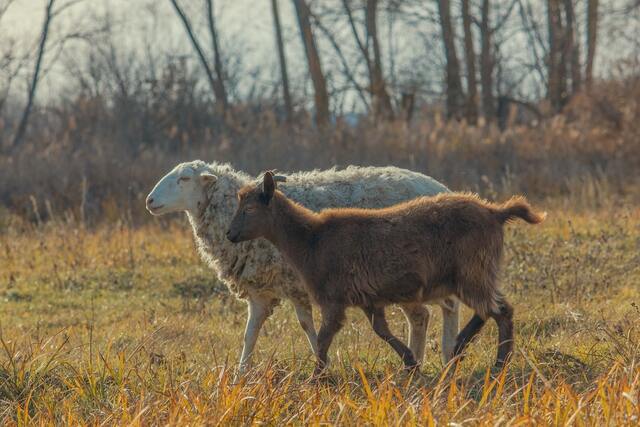
Toxic and Dangerous Foods to Avoid
Several common plants and foods are toxic to sheep and goats. Learn to recognize them and prevent access:
- Rhododendron and azalea: Highly toxic — causes trembling, vomiting, slow heart rate, death
- Yew (Taxus): Extremely toxic — sudden death even from small amounts
- Lupine: Causes “crooked calf disease” in pregnant animals (birth defects)
- Bracken fern: Causes thiamine deficiency and blood disorders
- Oleander: Toxic to heart — causes cardiac arrhythmia
- Nightshade (Solanum): Toxic alkaloids — neurological symptoms
- Avocado leaves and bark: Mastitis and respiratory failure in goats
- Moldy hay or feed: Mycotoxins cause abortion, liver damage, immune suppression
- Grain overload (acidosis): Not a toxic plant, but excessive grain without adequate fiber causes fatal rumen acidosis
Recommended Foods by Category
- Grasses: Bermudagrass, ryegrass, orchard grass, Brachiaria, Tifton, napier grass, Sudan grass
- Legumes: Alfalfa, clover, birdsfoot trefoil, lablab, leucaena (in moderation)
- Crop residues: Corn stalks, sugarcane tops, sorghum stubble, wheat straw (low nutritional value — supplement)
- Root vegetables (occasional treats): Carrots, beets, turnips, sweet potato — energy-rich but use sparingly
- Agro-industrial byproducts: Citrus pulp, sugarcane bagasse, cottonseed hull, soybean hulls — useful for energy and fiber
Frequently Asked Questions About Feeding Sheep and Goats
What is the best food for sheep?
The best food for sheep is high-quality fresh pasture combined with hay as the forage base, supplemented with concentrates during high-demand periods (lactation, finishing, late gestation). A complete mineral supplement is also essential.
How much corn can a sheep eat per day?
A finishing lamb can consume 200–400 g of corn per day as part of a balanced diet. Dry ewes should receive little or no corn — high starch without adequate fiber causes rumen problems. Always introduce grain gradually over 7–14 days to allow rumen adaptation.
How to fatten sheep quickly?
For fast weight gain, provide a finishing diet with 60–70% roughage and 30–40% concentrate, with the concentrate being a balanced mix of energy (corn) and protein (soybean meal). Ensure free-choice hay is available at all times, keep animals in low-stress conditions, and control parasites — parasitized animals cannot efficiently use the feed they consume.
Can sheep and goats eat the same feed?
In many cases yes, but not always. The main difference is copper: goats require significantly more copper than sheep. High-copper goat feeds can cause copper toxicity in sheep. If feeding mixed species, use a sheep/goat combination mineral or provide separate minerals. Also, goats are browsers while sheep are grazers — their preferences and efficient use of different forages differ.
How to reduce feed costs for sheep and goats?
- Maximize use of homegrown forage — good pasture management dramatically reduces concentrate needs
- Use agro-industrial byproducts (citrus pulp, bagasse) as cheaper energy sources
- Implement rotational grazing to increase pasture utilization efficiency by 30–50%
- Cull unproductive animals early in the dry/winter season
- Control parasites — wormy animals waste feed
- Track individual animal performance with a tool like OvinApp to identify poor converters and make better culling decisions
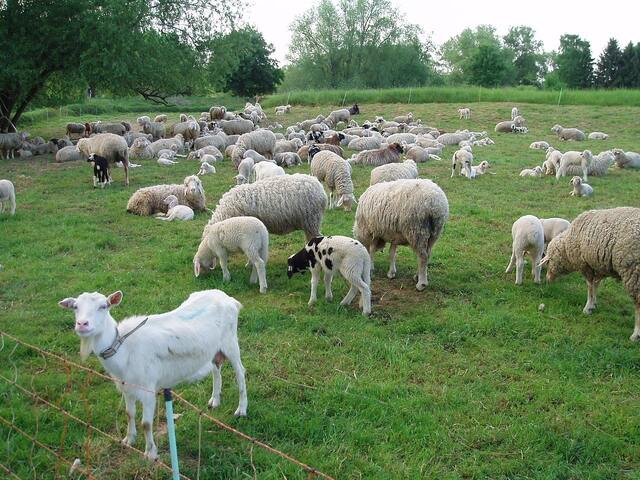
Tracking feed events, body condition scores and weight gains for each animal in OvinApp allows you to fine-tune your nutrition program and quickly identify animals that are not responding to the diet — saving money and improving overall herd performance.