

Selenium Deficiency in Sheep and Goats: How to Detect and Treat It
April 6, 2026
Tail Docking in Sheep (Descole): When, How and Why to Do It
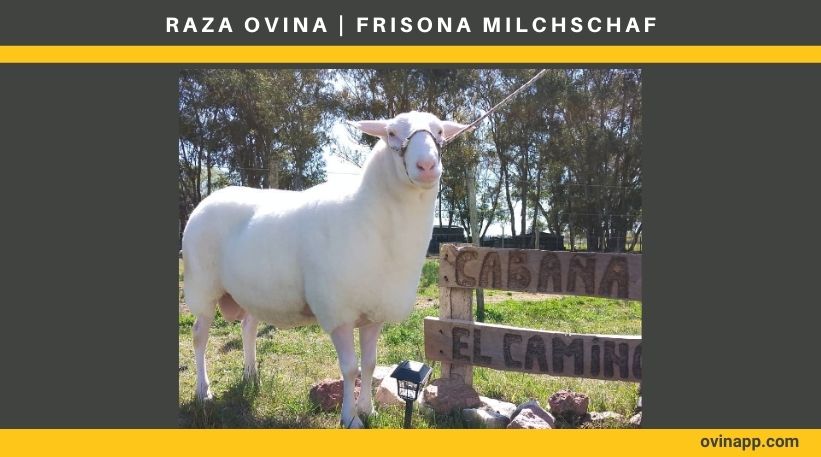
April 6, 2026The East Friesian sheep — known in Germany and much of continental Europe as the Ostfriesisches Milchschaf or Frisona Milchschaf — is the highest-producing dairy sheep breed in the world. With milk yields that can reach 700–1,000 liters per lactation in top flocks, it is the benchmark breed for sheep dairy production globally and plays a key role in crossbreeding programs designed to improve milk yield in other breeds.
Origin and History
The East Friesian originated in the Friesland region on the border of Germany and the Netherlands — the same coastal lowland region famous for producing Friesian dairy cattle. It is an ancient breed that has been developed over centuries for maximum milk production.
The breed was selected intensively from the 19th century onward using performance records, establishing it as the premier dairy sheep breed. It was exported globally in the 20th century, most significantly to:
- New Zealand and Australia: Used to develop Coopworth, East Friesian x Merino and other dairy crossbreeds
- United States and Canada: Significant populations in specialized dairy sheep operations
- South America: Uruguay, Argentina and Brazil — used in crossbreeding programs to improve the Corriedale and local breeds for dairy production
- Mediterranean countries: Used to improve Manchega, Churra and other regional breeds
Physical Characteristics
- Face: White, long, straight (not Roman-nosed), bare (no wool on the head)
- Ears: Medium-long, upright or slightly forward-carried
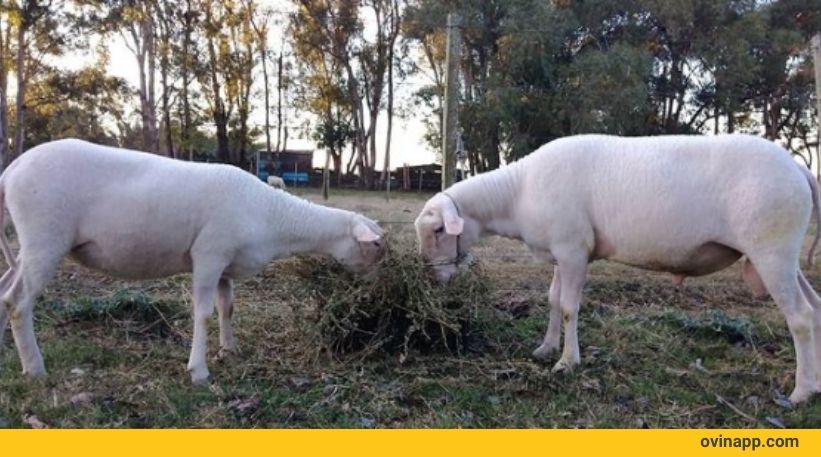
- Body: Long, lean frame — a “dairy type” body, not the muscular build of meat breeds
- Tail: A distinctive feature — the rat tail (Rattenschwanz), which is bare and thin, unlike the wooly tails of most other breeds
- Udder: Exceptionally large, well-attached, with large teats — the most prominent feature in milking ewes
- Fleece: White, medium quality, covers the body (not the head and rat tail)
- Horns: Polled
- Adult ewe weight: 65–90 kg
- Adult ram weight: 90–130 kg
Milk Production
The East Friesian’s production data is exceptional for a sheep:
- Lactation length: 240–280 days (one of the longest of any sheep breed)
- Average milk yield: 400–600 liters per lactation (after weaning lambs)
- Top recorded yields: Over 1,000 liters in elite animals
- Butterfat content: 5.5–7.5%
- Protein content: 4.5–5.5%
- Daily peak production: 3–5 liters/day at peak lactation
Sheep milk is naturally rich in fat and protein compared to cow milk, making it ideal for producing high-value cheeses (Manchego, Pecorino, Roquefort, Feta) and other dairy products. East Friesian milk’s high casein content results in excellent cheese yield — typically 6–8 liters per kg of cheese vs. 10–12 liters for cow milk.
Reproductive Performance
- Breeding season: Autumn–winter (photoperiod-sensitive)
- Prolificacy: 175–220% — one of the most prolific wool breeds, twins and triplets are common
- Gestation: 147–152 days
- Puberty: Ewe lambs can conceive at 6–8 months of age
- Maternal ability: Generally good — ewes produce sufficient milk for twins, sometimes triplets
East Friesian in Crossbreeding Programs
The East Friesian is the most important breed for improving milk production through crossbreeding. When East Friesian rams are used on Corriedale, Manchega, Merino or other dual-purpose breeds, the crossbred ewes show substantially higher milk production than purebred maternal breeds, while retaining some of the maternal breed’s adaptability.
Common and successful crossbreeds:
- East Friesian x Corriedale: Popular in Uruguay and Argentina — produces a larger, more adaptable dairy ewe than purebred East Friesian
- East Friesian x Merino: Used in Australia and New Zealand — improves milk yield while maintaining fine wool production
- East Friesian x Awassi: Used in the Middle East and Mediterranean — combines high yield with better heat tolerance
- Lacaune x East Friesian: Used in specialized European dairy flocks
Management Requirements and Challenges
The East Friesian’s high production potential comes with specific management requirements:
Nutrition
- High milk-producing ewes have very high energy and protein requirements
- Negative energy balance after lambing is a serious risk — provide high-energy supplementation immediately post-partum
- Prevent pregnancy toxemia in late gestation with adequate feeding of multiple-bearing ewes
Health
- Mastitis: Large, productive udders are more susceptible. Implement strict milking hygiene, pre- and post-dip protocols and regular somatic cell count monitoring.
- Parasite susceptibility: The East Friesian is notably less resistant to gastrointestinal parasites than most other breeds — this is its main weakness in tropical and subtropical environments. Regular FAMACHA assessment and targeted treatment are essential.
- Foot problems: Footrot and foot scald are common — maintain dry conditions and implement foot bathing programs.
Milking Management
- Machine milking is standard in commercial East Friesian operations — hand milking is too labor-intensive for the yields involved
- Milk twice daily at regular 12-hour intervals for maximum yield
- Weaning lambs at 30–45 days allows full machine milking to start — earlier weaning increases milking-period yield but requires careful lamb nutrition management
- Dry off ewes 60 days before the next lambing to allow udder tissue regeneration
Recording daily or weekly milk yields, somatic cell counts, health events and reproductive data for each East Friesian ewe in OvinApp allows you to identify your top-producing animals, manage breeding selections and catch health problems early before they impact production.