

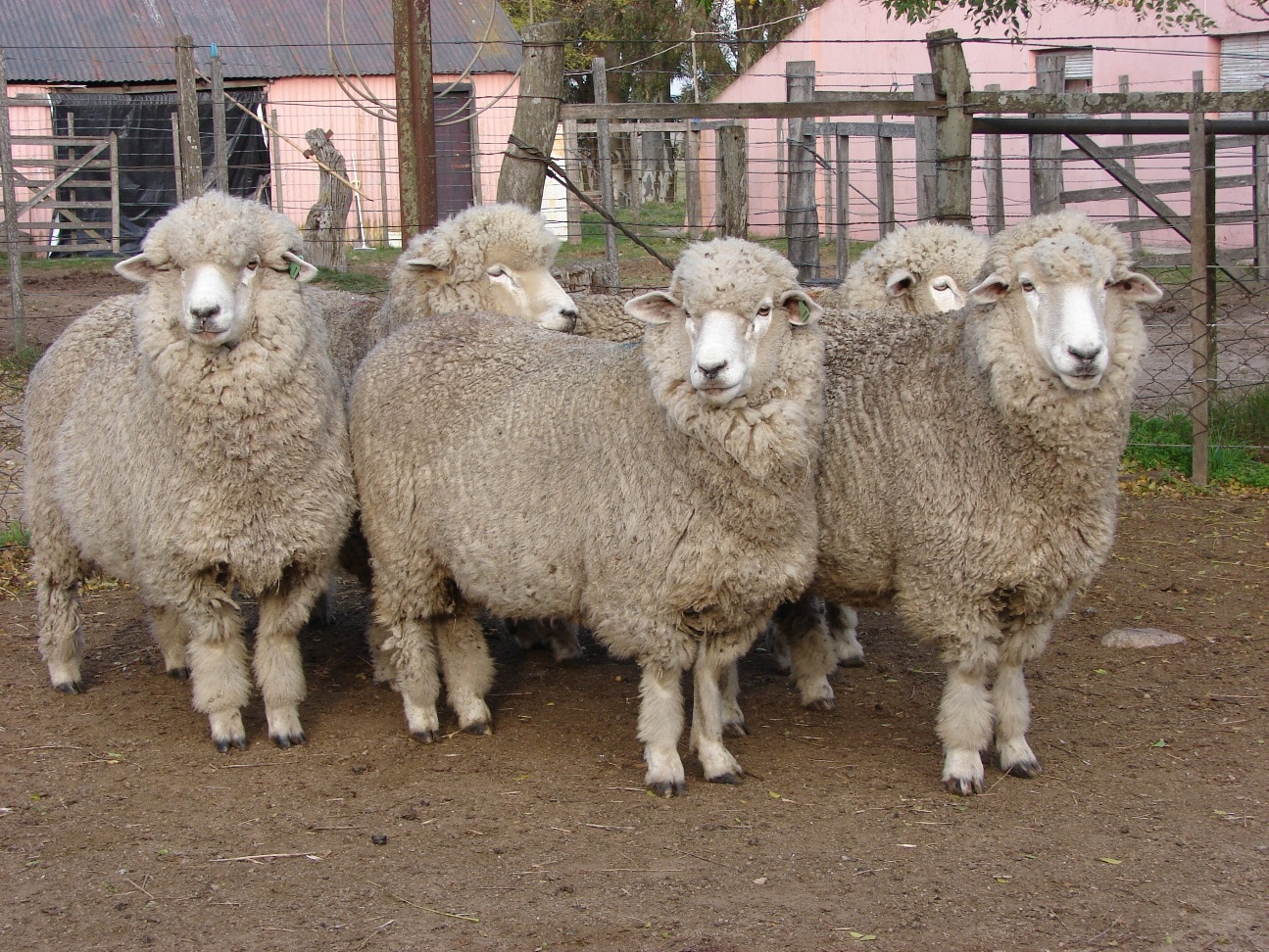
Corriedale Sheep: Characteristics, Wool, Meat and Production
April 6, 2026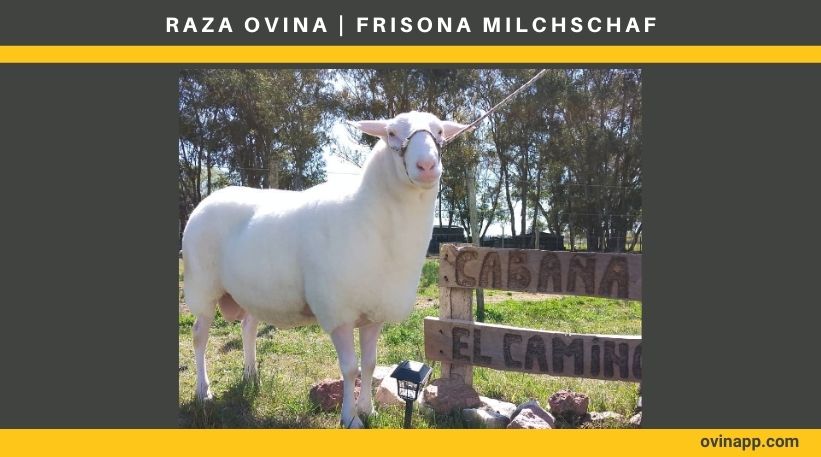
East Friesian Sheep (Frisona Milchschaf): The World’s Top Dairy Sheep Breed
April 6, 2026
Selenium deficiency is one of the most common and economically significant nutritional problems in sheep and goat production worldwide. It affects animals on selenium-deficient soils — which includes large portions of North America, Europe, New Zealand, Australia and South America — and causes a range of serious conditions including white muscle disease (nutritional muscular dystrophy), reproductive failure and immunosuppression.
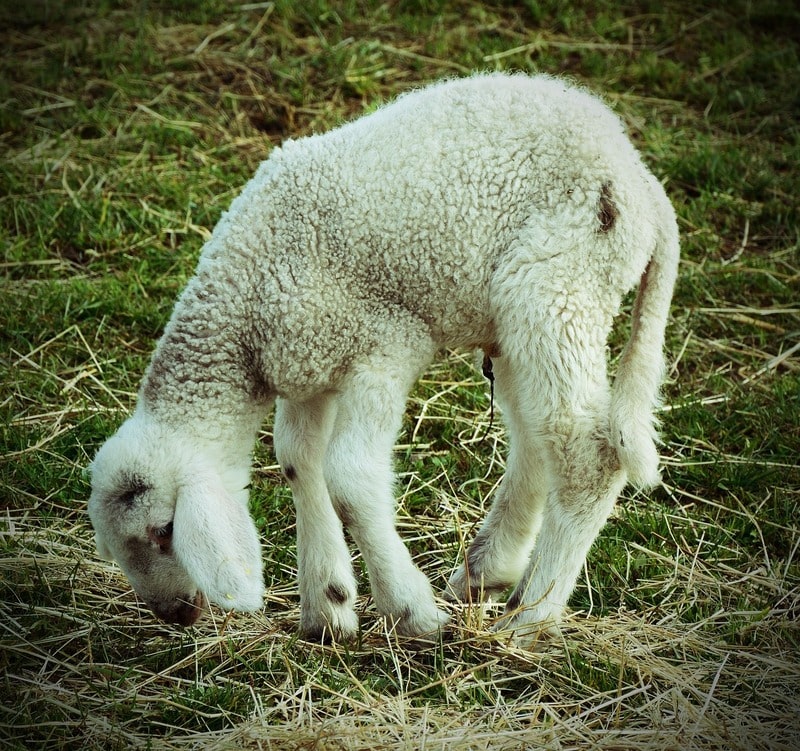
Why Is Selenium Important?
Selenium is an essential trace element that functions primarily as part of glutathione peroxidase, an enzyme that protects cells from oxidative damage. It works synergistically with vitamin E — both nutrients are antioxidants that protect muscle cells, immune cells and reproductive tissues from free radical damage.
Key functions of selenium in sheep and goats:
- Muscle integrity — prevents nutritional muscular dystrophy (white muscle disease)
- Reproductive performance — prevents retained placenta, weak newborns, poor conception
- Immune function — selenium-deficient animals have impaired response to vaccines and infections
- Thyroid hormone metabolism
- Antioxidant protection of all body tissues
Symptoms of Selenium Deficiency
In Lambs and Kids (White Muscle Disease)
White muscle disease (WMD) is the most dramatic and visible form of selenium deficiency. It typically affects lambs and kids in the first weeks of life:
- Weakness: Newborns unable to stand or nurse properly
- Stiff, stilted gait — especially in the hindquarters (“rubber lamb” syndrome)
- Arched back and reluctance to move
- Sudden death: Fast-growing, well-nourished lambs/kids can die suddenly after exercise — the cardiac form of WMD affects heart muscle
- Pale, white streaks in muscle visible at necropsy — particularly in the thigh and loin muscles (the origin of the name “white muscle disease”)
In Adult Ewes and Does
- Reproductive failure: Reduced conception rates, early embryonic death, abortion
- Retained placenta — selenium is essential for normal placental separation
- Weak, stillborn or poorly viable newborns
- Reduced milk production
- Increased susceptibility to mastitis and other infections
- Poor response to vaccination
Subclinical selenium deficiency — where signs are not dramatic but productivity is impaired — is actually more economically significant than clinical WMD. Reduced reproductive rates and poor lamb survival quietly cost producers money without an obvious cause.
How to Diagnose Selenium Deficiency
Blood and Tissue Tests
- Whole blood selenium: Normal range 0.07–0.10 mg/L; deficient below 0.05 mg/L
- Plasma selenium: Reflects recent intake; normal 0.08–0.15 mg/L
- Glutathione peroxidase (GSH-Px) activity in red blood cells: Most reliable indicator of long-term selenium status
- Muscle enzymes: Elevated CK (creatine kinase) and AST indicate muscle damage consistent with WMD
Soil and Forage Analysis
Knowing the selenium status of your soil and forages is valuable for preventive management. Soils with selenium below 0.1 mg/kg and forages below 0.05 mg/kg DM are considered deficient and will produce selenium-deficient animals without supplementation.
Treatment of Selenium Deficiency
For Affected Lambs/Kids (White Muscle Disease)
- Selenium + Vitamin E injection (e.g., BO-SE, MU-SE): Administer subcutaneously or intramuscularly immediately upon diagnosis. Dose: 0.05–0.1 mg Se/kg body weight.
- Keep affected animals warm and provide assisted nursing if unable to stand
- Early treatment of mild cases results in recovery within days to weeks
- Severe cases with cardiac involvement have poor prognosis
For the Whole Flock
- Injectable selenium/vitamin E (e.g., Dystosel, Selevit): Given to ewes and does 4–6 weeks before lambing/kidding. Single injection provides protection for 3–6 months.
- Oral selenium boluses: Slow-release glass boluses placed in the rumen — provide 3–12 months of supplementation. Ideal for extensive systems where individual treatment is difficult.
- Selenium-fortified mineral supplements: Free-choice loose minerals or mineral blocks containing selenium. Less precise but useful for mild deficiency areas.
- Selenium-fortified feed: Selenium added to concentrate ration at 0.1–0.3 mg/kg DM. Precise and effective in systems using concentrate supplementation.
Warning: Selenium Toxicity
Selenium has a very narrow safety margin — the difference between a deficient dose and a toxic dose is small. Never exceed recommended doses:
- Maximum tolerated level: 2–5 mg/kg DM in feed
- Toxic level: above 5 mg/kg DM or 0.5–1.0 mg/kg body weight as injectable acute dose
- Signs of selenium toxicity (selenosis): hoof deformities, hair loss, neurological signs, “blind staggers”, death
- Never use multiple selenium products simultaneously — adding selenium to both the ration and giving injectable supplement can cause toxicity
Always work with your veterinarian to confirm selenium status before starting supplementation programs, and use products at the lowest effective dose.
Tracking selenium supplementation events, treatment dates, dosages and clinical outcomes for each animal and season in OvinApp allows you to build a complete picture of your flock’s nutritional status and ensure no animal misses its pre-lambing selenium dose.