


Actinomycosis in Sheep: Lumpy Jaw, Causes, Symptoms and Treatment
April 6, 2026
Selenium Deficiency in Sheep and Goats: How to Detect and Treat It
April 6, 2026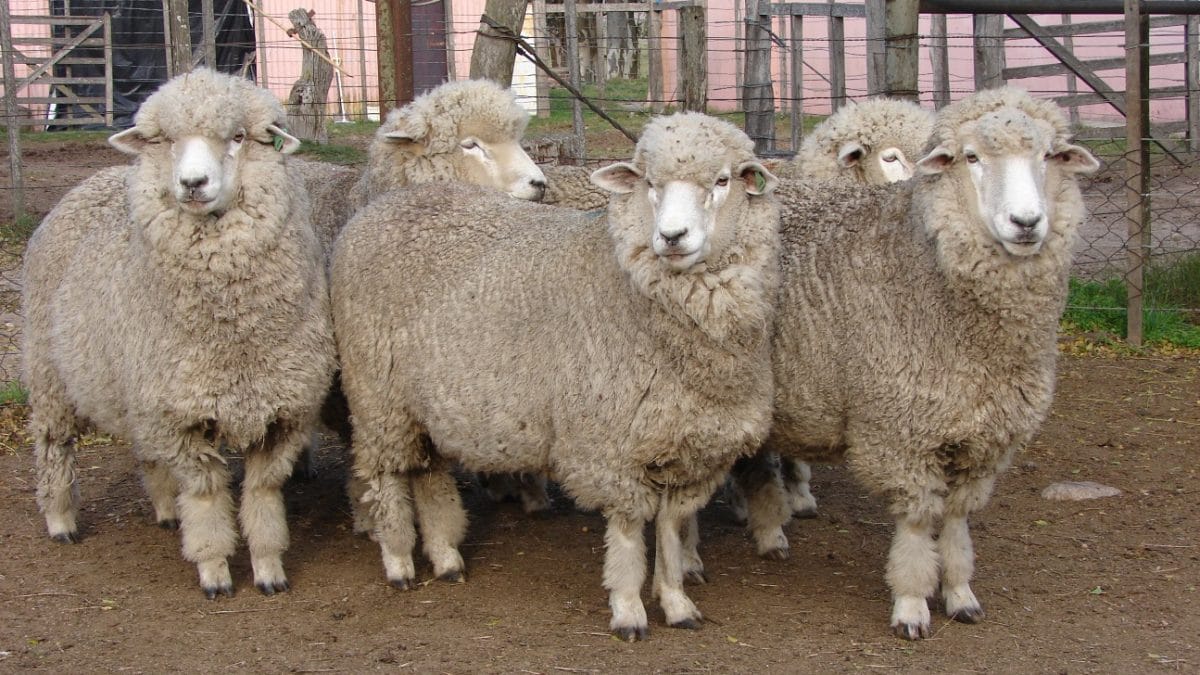
The Corriedale sheep is the most widely distributed dual-purpose breed in the world — raised on every continent for its combination of good-quality wool and acceptable meat production. Born from the crossbreeding traditions of New Zealand and Australia, the Corriedale became the foundation of the sheep industry in many South American and southern hemisphere countries.
Origin and History
The Corriedale was developed in New Zealand and Australia in the late 19th century (approximately 1880–1910). It was created through systematic crossing of Lincoln and Leicester rams (large British longwool breeds) with Merino ewes. The goal was to produce a breed larger and faster-growing than the Merino, while retaining relatively fine wool.
The name comes from the Corriedale Estate in Otago, New Zealand, where much of the early development work was done. The breed was recognized and its herdbook established around 1910–1914.
The Corriedale spread rapidly to South America — particularly Uruguay, Argentina, Chile and Brazil — in the early 20th century, where it became the dominant breed. Today it is estimated that there are over 30 million Corriedale sheep worldwide.
Physical Characteristics
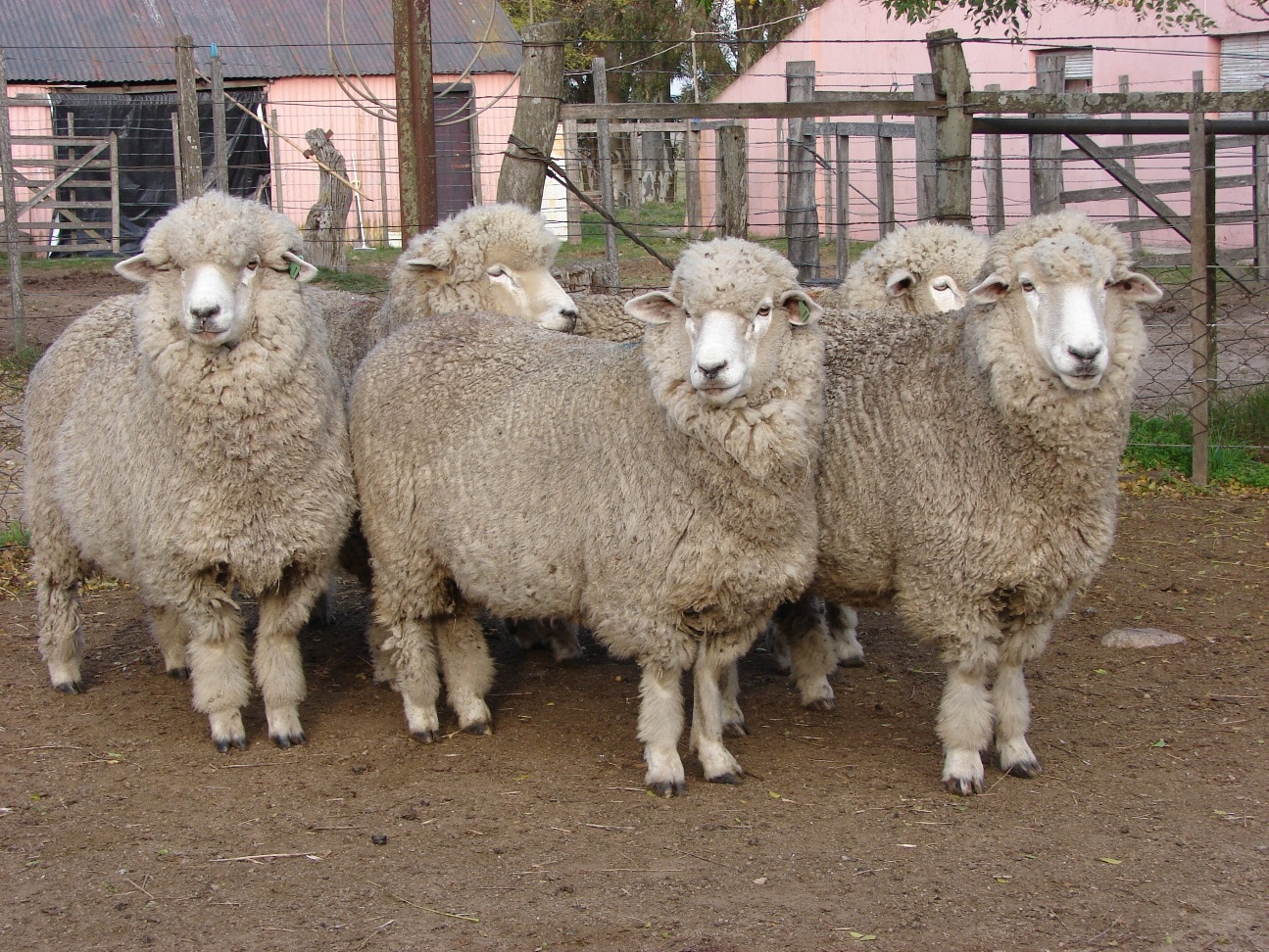
- Face and legs: White, with minimal wool on the face (open face — good for avoiding wool blindness)
- Body: Deep, well-framed, with good length and adequate muscling
- Fleece: Dense, white, medium-fine — covers the body completely including legs
- Horns: Polled (both sexes)
- Adult ram weight: 70–100 kg
- Adult ewe weight: 55–80 kg
Wool Production
The Corriedale’s wool is its primary commercial product in most systems:
- Annual fleece weight: 4–7 kg greasy (rams up to 10 kg)
- Fiber diameter: 25–31 microns (medium-fine grade)
- Staple length: 90–130 mm per year
- Grease wool: High lanolin content (22–32%)
- Wool character: Dense, bright white, soft handle — well suited for knitwear, apparels and blending
Corriedale wool occupies the medium-fine segment — not as fine as Merino (which commands higher prices) but finer than down breeds. It is used for knitwear, knitting yarn, carpets and upholstery depending on micron count.
Meat Production
As a dual-purpose breed, the Corriedale offers reasonable meat performance:
- Average daily gain: 150–250 g/day on pasture; up to 300 g/day with supplementation
- Slaughter weight: Lambs typically reach 28–38 kg at 4–5 months
- Dressing percentage: 46–50%
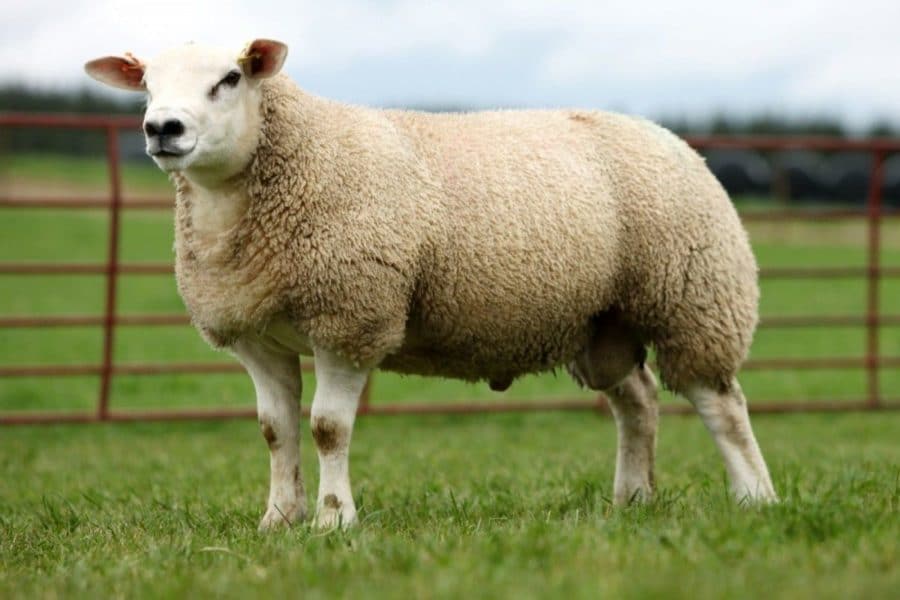
- Carcass conformation: Moderate — inferior to pure meat breeds (Suffolk, Texel, Hampshire) but acceptable for commercial markets
For better meat performance, Corriedale ewes are frequently used as the maternal breed in crossbreeding programs, where a terminal sire (Texel, Suffolk, Ile de France) is used to produce slaughter lambs with improved carcass quality.
Reproductive Characteristics
- Breeding season: Autumn — short-day breeder (temperate photoperiod response)
- Prolificacy: 110–145% — mostly single births, twins less common than in meat breeds
- Gestation: 147–152 days
- Maternal ability: Good — ewes are attentive mothers with adequate milk production
- Puberty: 7–10 months
Adaptability
The Corriedale was designed for the rugged, variable conditions of New Zealand and Australia, and shows good adaptability to:
- Temperate and cool climates with seasonal rainfall
- Extensive, large-area grazing systems
- Mountain and hill country
- Semi-arid grasslands (it has better drought tolerance than Merino in some conditions)
In subtropical and tropical regions, the Corriedale struggles with heat, humidity and internal parasites. In these environments, hair breeds (Dorper, Santa Ines, Katahdin) or crossbreeds with more tropical-adapted genetics perform better.
Management of Corriedale Flocks
- Shearing: Once or twice per year. Good shearing technique important to preserve fleece quality.
- Wool blindness: Some lines have heavy wool growth on the face — regular crutching (dagging) and face wool trimming or selecting for open-face lines prevents this.
- Fly strike prevention: Dense fleece increases risk of blowfly strike (myiasis). Mulesing (controversial), chemical treatment and maintaining dry fleece are standard prevention measures.
- Parasite control: FAMACHA monitoring; rotate anthelmintic classes to prevent resistance.
- Foot care: Regular inspection and trimming; foot bathing when footrot is present.
- Nutrition: Good pasture management essential — Corriedale responds well to improved nutrition with increased wool weight and better reproductive performance.
Tracking shearing weights, wool measurements, reproductive records and health data for each Corriedale animal in OvinApp allows you to identify your top-performing animals and make better selection decisions to improve both wool and meat production in your flock over time.