

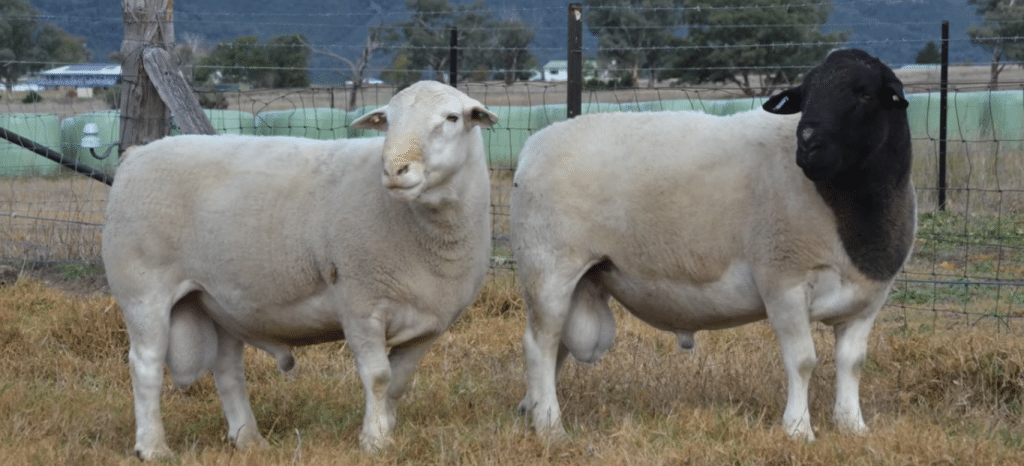
Dorper Sheep: Complete Guide to Characteristics, Care and Production
April 5, 2026
Suffolk Sheep: Characteristics, Origin and Meat Production
April 5, 2026

The Katahdin sheep is one of the most popular hair sheep breeds in the Americas. Developed in the United States, it combines excellent meat production with outstanding climate adaptability and zero shearing requirements. It is particularly dominant in Mexico, Central America, and the Caribbean.
Origin and History of the Katahdin Breed
The Katahdin was developed in the 1950s and 60s by Michael Piel on his farm near Mt. Katahdin in Maine, USA. Piel crossed St. Croix hair sheep (from the Virgin Islands) with Suffolk wool sheep, selecting for superior meat traits, natural hair shedding, and climate resilience. The breed was officially recognized in 1985 with the formation of the Katahdin Hair Sheep International (KHSI).
Today, the Katahdin is one of the most widely registered sheep breeds in North America, with growing populations across Latin America and the Caribbean.
Physical Characteristics of the Katahdin Sheep
- Coat: Short hair that sheds naturally in spring — no shearing needed
- Color: Variable — white, tan, brown, black, spotted, or mottled
- Build: Medium to large, muscular and well-proportioned
- Face: Clean, slightly Roman-nosed profile
- Ears: Medium-length, alert
Adult rams weigh 80 to 125 kg, while ewes range from 55 to 90 kg. The breed is polled (naturally hornless) in most individuals.
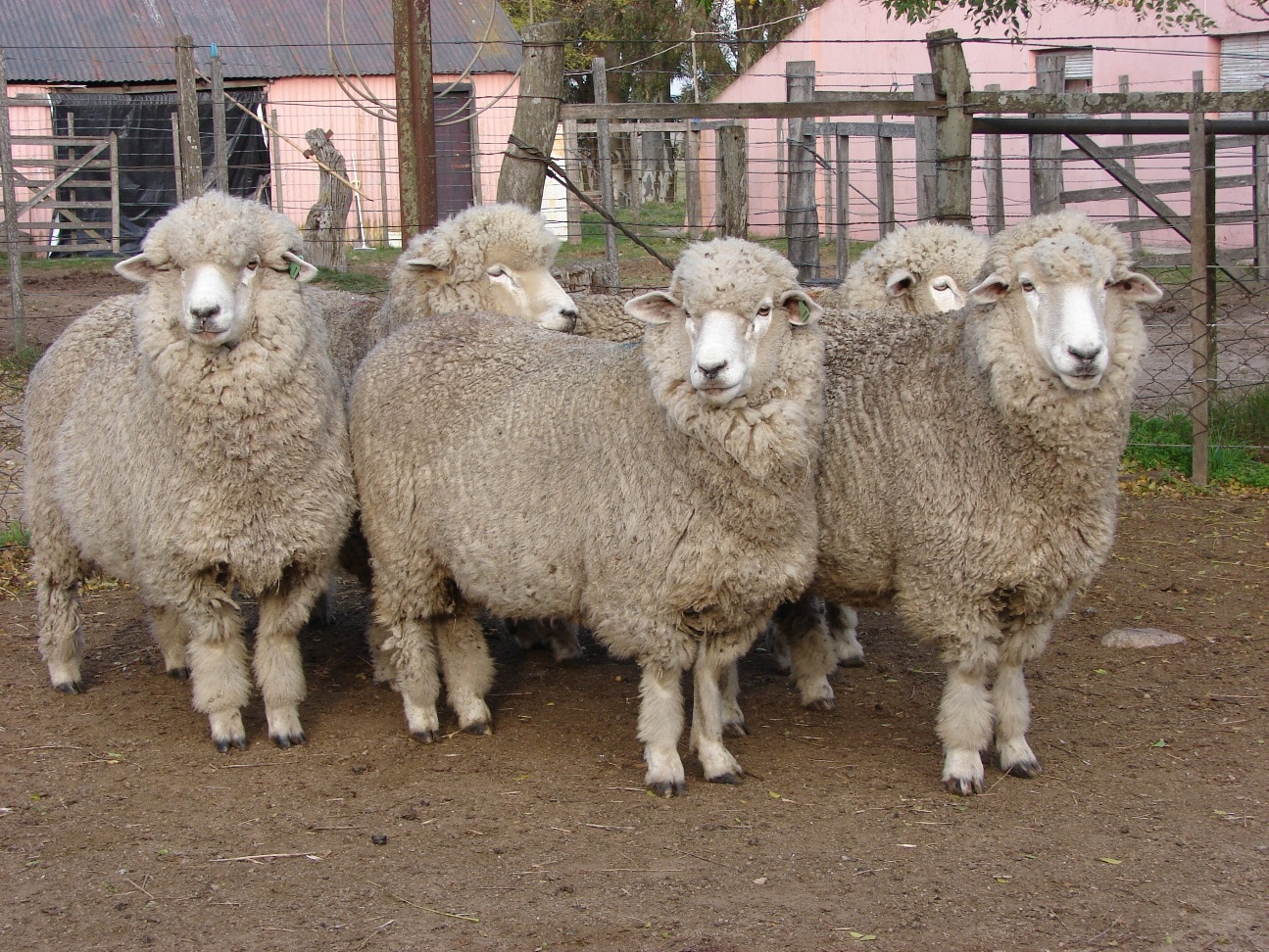
Productive Characteristics: Why Choose the Katahdin?
The Katahdin consistently delivers excellent production results:
- Daily gain: 200 to 350 grams per day under good management
- Dressing percentage: 50 to 55%
- Lambing rate: 150 to 200% (frequently twins or triplets)
- Year-round breeding: ewes cycle throughout the year in tropical climates
- Excellent mothering: strong maternal instinct, low rejection rates
- Early maturity: ewes can be bred at 7 months of age
One of the breed’s biggest advantages is its performance on low-quality pastures. The Katahdin evolved to thrive on native forages without heavy supplementation — making it highly economical to raise.
Climate Adaptation
The Katahdin excels in tropical and subtropical climates. Unlike wool breeds, it doesn’t suffer from heat stress and is highly resistant to internal parasites — a major advantage in humid, warm regions where barber pole worm (Haemonchus contortus) is the number one health challenge.
The breed also performs well in temperate climates. In colder regions, it grows a thicker winter coat that sheds naturally as temperatures rise.
Meat Quality
Katahdin meat is prized for its mild, clean flavor with minimal lanolin aftertaste. The fine-grained muscle and lean fat profile make it appealing to consumers who prefer lighter lamb. The high lean-to-fat ratio is also valued by health-conscious markets.
Management Tips for Katahdin Sheep
- Deworming: Use FAMACHA scoring to manage internal parasites selectively
- Nutrition: Performs well on pasture; supplement with minerals (especially copper, selenium, and zinc)
- Hoof care: Regular trimming every 3-4 months
- Vaccination: CDT (Clostridium perfringens C and D + Tetanus) is essential
- Breeding: Ram-to-ewe ratio of 1:25 to 1:35
Manage Your Katahdin Flock with OvinApp
Keep complete records for every animal in your flock — births, weights, health treatments, and more — with OvinApp, the free sheep and goat management app. Available on Android and iOS.