


5 Most Common Sheep Diseases Every Producer Must Know
April 6, 2026
Savanna Goat: Characteristics, Meat Production and Adaptability
April 6, 2026
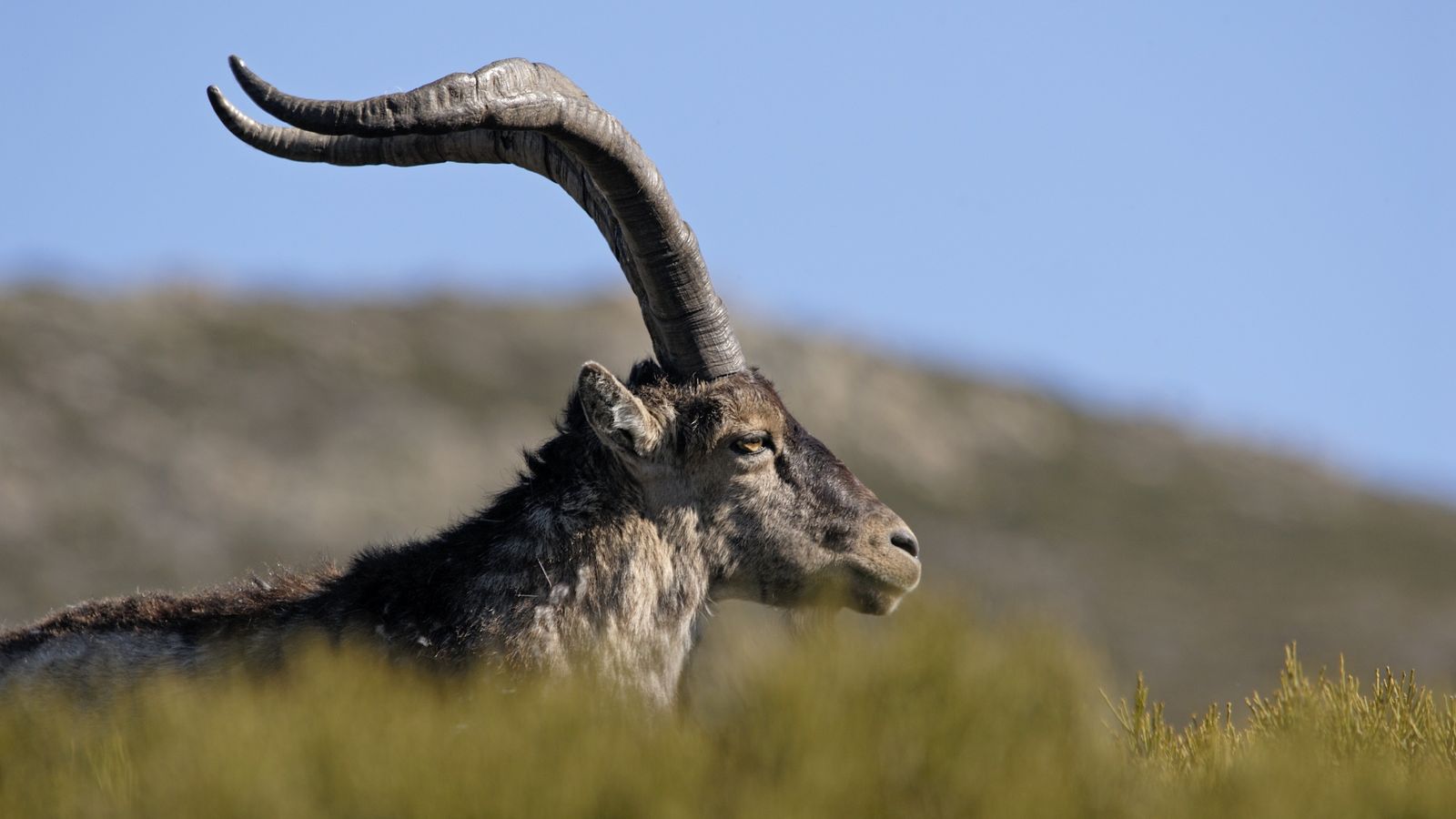
The Alpine goat (also known as the French Alpine or simply Alpine) is one of the most widely distributed dairy goat breeds in the world. Originating in the Alps of France and Switzerland, it is valued for its high milk production, adaptability to diverse climates and attractive multi-colored coat patterns. In the United States, the Alpine is the second most registered dairy goat breed after the Nubian.
Origin and History
The Alpine goat’s ancestry traces to the goats of the French and Swiss Alps, where animals were adapted over centuries to rugged mountain terrain, cold winters and variable forage availability. The formal development of the breed occurred primarily in France in the 19th and early 20th centuries.
Two principal varieties exist:
- French Alpine: The standard breed developed in France, showing wide color variation. Imported to the United States in 1922, where it became the foundation of the American Alpine breed.
- Oberhasli (Swiss Alpine): A more uniform bay-colored variety from the Bernese Oberland region of Switzerland — sometimes classified as a separate breed.
Physical Characteristics
- Size: Medium-large dairy breed
- Adult doe weight: 55–75 kg
- Adult buck weight: 75–100 kg
- Head: Straight to slightly dished profile (dished = concave, opposite of Roman nose)
- Ears: Upright, medium-length
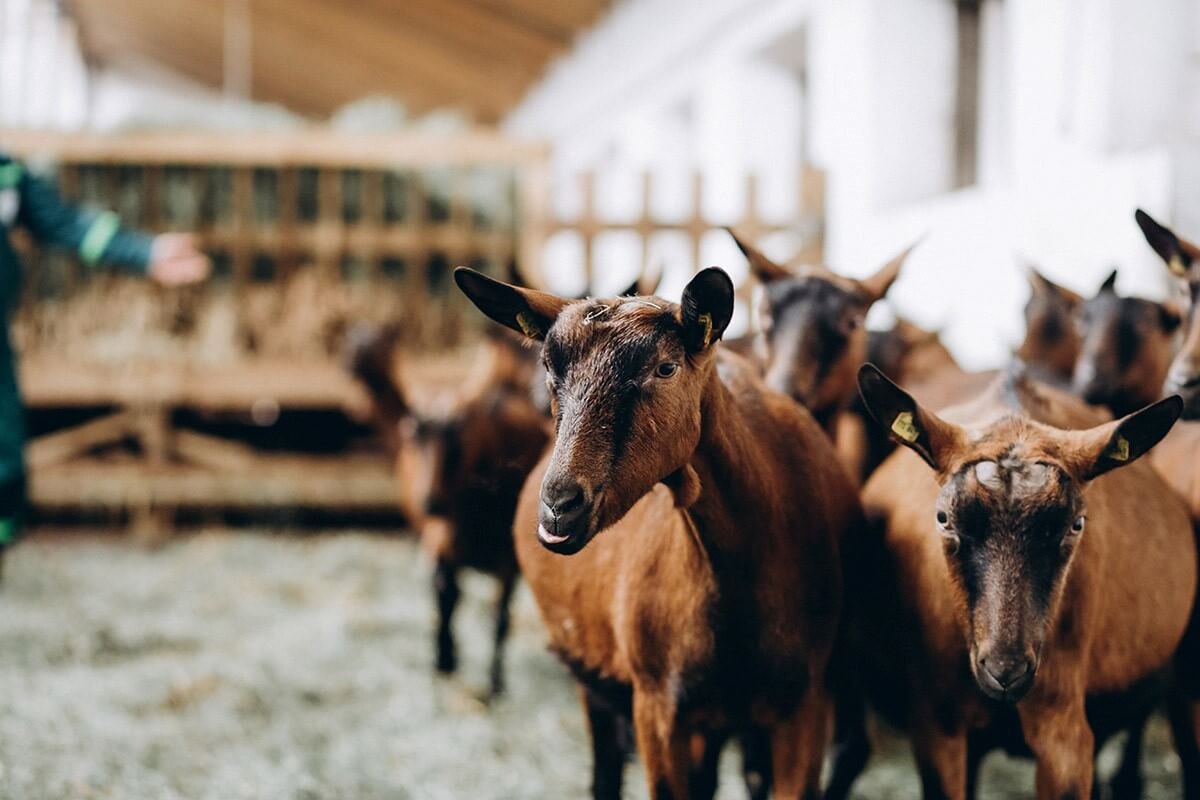
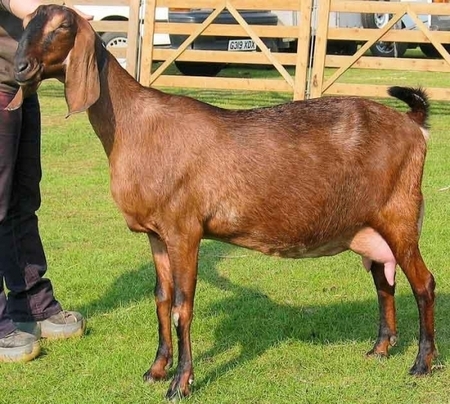
- Coat: Short and fine, in wide variety of color patterns — chamoisee (brown with black markings), cou blanc (white front, black rear), cou clair, broken chamoisee, sundgau (black with white markings), pied and many others
- Horns: Both sexes can have horns; most animals in registered herds are disbudded
- Udder: Well-developed, symmetrical, with good attachment and medium-sized teats
Milk Production
The Alpine is a high-volume milk producer, among the top dairy goat breeds globally:
- Annual milk yield: 700–1,200 liters per lactation in well-managed herds
- Top recorded yields: Over 3,000 liters in exceptional animals over a full year
- Butterfat content: 3.0–4.0%
- Protein content: 3.0–3.5%
- Lactation length: 270–305 days
Compared to the Anglo-Nubian, the Alpine produces more milk but with lower fat content. This makes Alpine milk best suited for fresh milk consumption and high-volume cheese production (chevre, fromage blanc), while Anglo-Nubian milk is preferred for artisan cheeses requiring higher fat yield per liter.
Reproductive Characteristics
- Breeding season: Late summer to early winter in temperate climates (short-day breeder)
- Does with extended seasons: Some Alpine lines breed earlier or later, useful for year-round milk production
- Kidding rate: 160–200% — twins are common; triplets occur in well-fed does
- Gestation: 148–154 days
- Puberty: Does typically reach puberty at 5–7 months
- Maternal ability: Good in established does; first-fresheners may need guidance
Adaptability
The Alpine is one of the most adaptable dairy goat breeds. Its mountain heritage has made it:
- More cold-hardy than Anglo-Nubian or LaMancha
- Adaptable to temperate and subtropical climates — found from Canada to Brazil
- Better suited than East Friesian for systems where some environmental hardiness is needed
- Efficient in both intensive (barn) and semi-extensive (pasture + housing) systems
Milk Uses and Products
Alpine milk’s high volume and clean flavor make it ideal for:
- Fresh milk: Mild, clean flavor — less “goaty” than some other breeds
- Soft cheeses: Chevre (fresh goat cheese), fromage blanc, ricotta
- Aged cheeses: Suitable for semi-firm and firm cheeses when production volume justifies it
- Yogurt and kefir: Good protein content for fermented products
- Soap and cosmetics: Alpine goat milk soap is popular in artisan markets
Management Recommendations
Housing
- Dry, well-ventilated housing is essential — Alpines are susceptible to respiratory disease in damp, poorly ventilated conditions
- Provide at least 1.5–2 m² per adult doe in indoor housing
- Elevated sleeping platforms or wooden pallets keep does off cold, wet floors
Milking
- Milk twice daily at consistent 12-hour intervals
- Implement pre- and post-dipping protocols to prevent mastitis
- Monitor somatic cell count (SCC) regularly — target below 1,000,000 cells/mL
- Dry off does 45–60 days before the next kidding
Nutrition
- High-producing does need 2.5–3.5 kg DM/day depending on production level
- Balance calcium and phosphorus — critical for milk production and bone health
- Use goat-specific mineral mixes (higher copper than sheep minerals)
- Supplement with selenium in deficient areas (4–6 weeks before kidding)
Tracking daily or weekly milk yields, somatic cell counts, reproductive events and health records for each Alpine doe in OvinApp helps you identify your highest-producing animals, optimize your milking schedule and maintain the health records needed for certified dairy operations.