

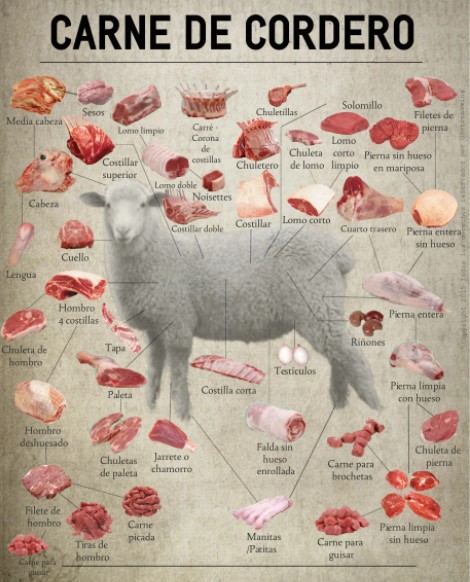
Lamb Cuts: Complete Guide to Primal Cuts, Names and Uses
April 6, 2026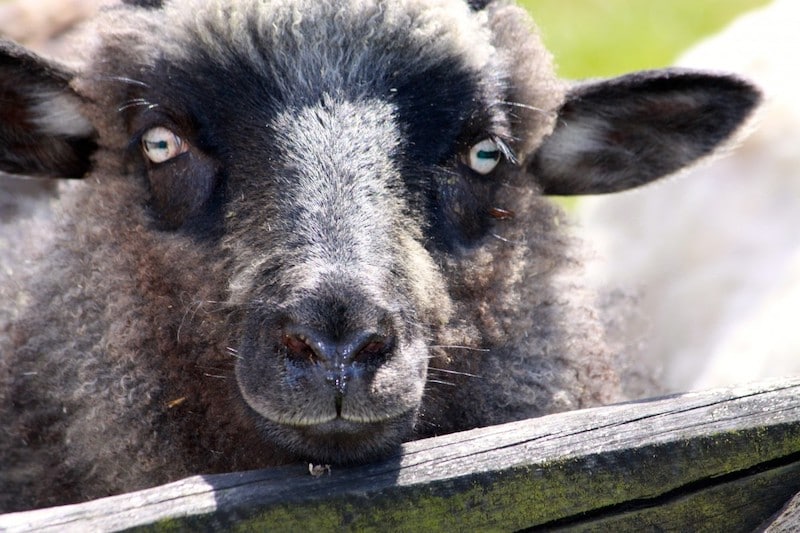
Cloudy or Blue Eyes in Sheep: Causes, Treatment and Prevention
April 6, 2026The Merino sheep is arguably the most economically and historically significant sheep breed in the world. Its fine wool — ranging from 15 to 24 microns — commands the highest prices in global textile markets and has shaped the agricultural economies of Spain, Australia, New Zealand, South Africa, Uruguay and Argentina. No other breed has had a greater impact on the global sheep industry.
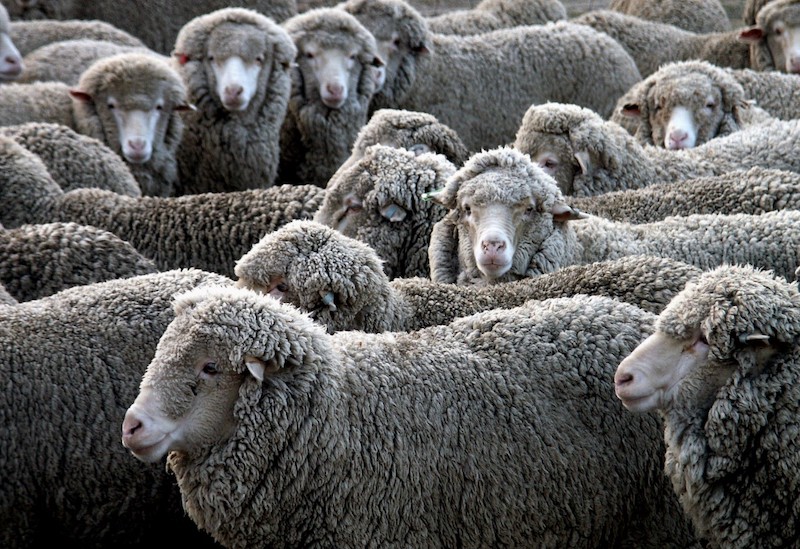
Origin and History
The Merino originated in Spain, where it was developed over centuries — possibly descending from North African Berber sheep crossed with Roman breeds. By the 12th–13th centuries, Spanish Merino wool was the finest in Europe and a major driver of the Spanish economy. The Spanish Crown protected the breed jealously — for centuries, exporting live Merinos was punishable by death.
This changed in the late 18th century, when Spain began gifting or selling flocks to allied royal courts:
- 1765–1778: Small flocks gifted to Saxony (Germany), Sweden, France and other European courts
- 1788: First Merinos arrive in Australia — the flock brought by Captain John Macarthur becomes the foundation of the Australian wool industry
- 19th century: Rapid spread to South Africa, New Zealand, South America and North America
Today, Australia holds the world’s largest Merino population (approximately 60 million) and produces the highest-value fine wool in the world. The breed also has massive populations in New Zealand, South Africa, Argentina and Uruguay.
Physical Characteristics
- Head: Covered in wool, with a characteristic “Roman” forehead in some lines
- Skin: Often folded (wrinkled) — more skin folds = more wool surface area. Extreme folding (as in the Rambouillet) has been selected against in modern lines due to increased flystrike risk.
- Fleece: Exceptionally fine (15–24 microns), dense, white, highly crimped — covers the entire body including the face in some lines
- Horns: Spanish Merino rams are horned; ewes polled. Australian Merino is bred in both horned and polled varieties.
- Adult ram weight: 70–100 kg
- Adult ewe weight: 45–70 kg
Wool Production
The Merino’s wool is its defining product:
- Annual fleece weight: 4–8 kg greasy (ewes); 6–12 kg (rams)
- World record: A Merino wether in Australia called “Chris” was shorn in 2015 after 5 years without shearing — yielding 41.1 kg of wool, setting a world record
- Fiber diameter: 15–24 microns (ultra-fine: below 18 microns; fine: 18–20; medium: 20–24)
- Staple length: 60–100 mm per year
- Wool character: Extremely fine, highly crimped, soft handle — used for premium apparel (next-to-skin base layers, luxury knitwear)

Merino Wool in the Market
Merino wool commands premium prices due to its softness (does not itch like coarser wools), moisture management and temperature regulation properties:
- Ultra-fine (under 17 microns): Used for luxury suits, high-end knitwear — highest price
- Fine (17–19 microns): Premium sportswear, base layers, fine knits (Icebreaker, Smartwool, Icebreaker brands)
- Medium (20–24 microns): Knitwear, lightweight apparel
- Merino wool is increasingly popular in the outdoor/activewear market as a natural alternative to synthetic fibers
Meat Production
The Merino is primarily a wool breed, but it also produces meat:
- Merino lamb (surplus lambs and wether lambs) can be raised for meat, though growth rates are lower than meat breeds
- Cull ewes (end of productive wool life) are marketed as mutton
- In Australia, the dual-purpose Merino (“Merinofine” and other selections) produces both acceptable wool and meat in the same animal
- Crossbreeding Merino ewes with terminal sires (Suffolk, Texel, Ile de France) significantly improves lamb meat production
Merino Strains and Sub-Breeds
- Australian Merino: The dominant world population. Several strains: Peppin, Collinsville, South Australian, Saxon. Vary in size, wool fineness and fold.
- Rambouillet: The French and American development of the Merino — larger, polled, fine wool, used extensively in the western United States
- Debouillet: Rambouillet x Delaine Merino — adapted to the arid Southwest USA
- Spanish Merino: The original breed — finer wool but lower wool weight than Australian selections
- South African Merino: Adapted to the Karoo — well suited to arid conditions
Management Considerations
- Shearing: At least once per year — critical. An unshorn Merino will suffer from heat stress, wool blindness and flystrike.
- Wool blindness: Heavy wool around the face blocks vision — regular face crutching or selecting for open-faced lines prevents this
- Flystrike: Dense, moist fleece is prime habitat for blowfly larvae. Mulesing (controversial), chemical prevention and tail docking are standard management practices in Australia
- Internal parasites: Merinos are generally more susceptible to Haemonchus contortus than hair breeds or crossbreds — FAMACHA monitoring essential
- Nutrition: Wool growth is a continuous energy demand — ensure adequate protein and energy year-round to maintain fleece quality
Recording wool weights, fiber diameter measurements, shearing dates and health events for each Merino in OvinApp allows you to track genetic progress in your flock, identify your best wool producers and make selection decisions that improve both quality and quantity of wool over generations.

1 Comment
Any further info on stocking rates in north central texas just south of red river in Gainesville texas would be greatly appreciated.