


Beyond the Pasture: 8 Surprising (and Vital) Truths About Sheep and Goat Feeding
abril 29, 2026
How Much Milk or Cheese Does a Sheep Produce?
abril 29, 2026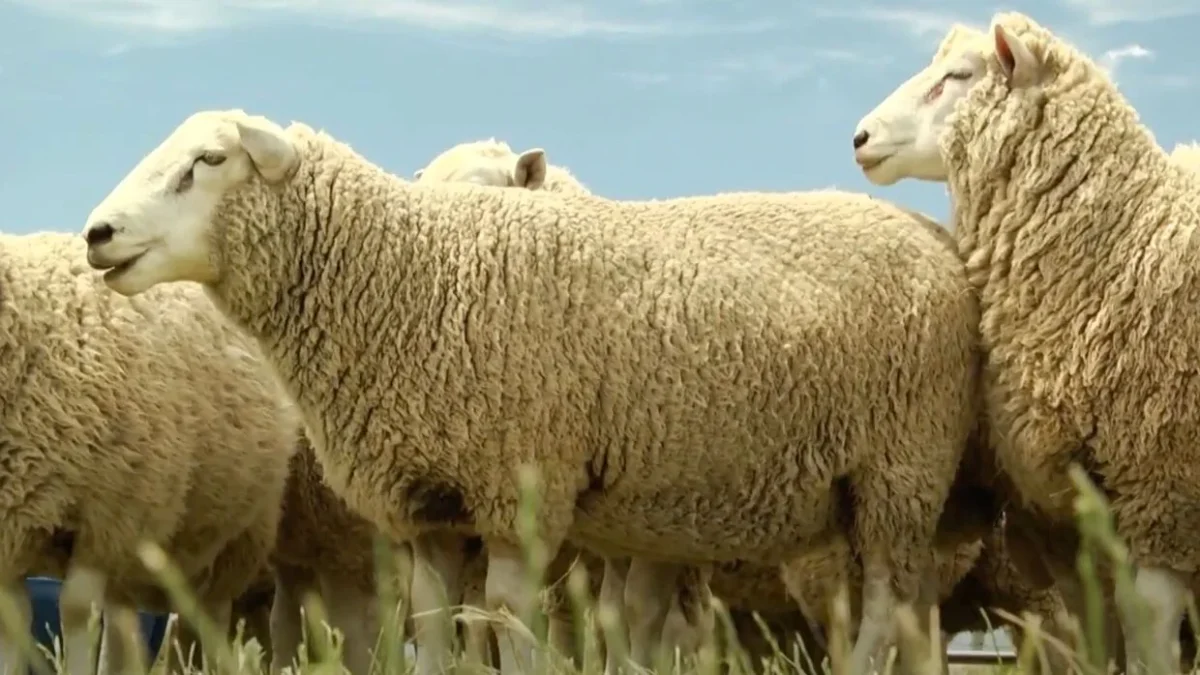
The Highlander sheep breed, originating from New Zealand, has emerged as one of the most promising options for sheep producers worldwide. Since its creation in 2001 by Rissington Breedline Ltd (RBL), the Highlander sheep has captured the attention of the global sheep industry due to its outstanding capacity to improve reproductive efficiency, adaptability, and profitability in sheep meat production.
Origin and Development of the Highlander Breed
The Highlander is a synthetic breed created by combining genetics from several sheep breeds. It was developed to maximize productivity and efficiency in sheep production, without sacrificing meat quality. The breeds that contributed to Highlander development include the Romney (25%), known for its rusticity and wool production, the Finnish Landrace (50%), recognized for its high fertility and efficient size, and the Texel (25%), valued for its meat aptitude and hardiness.
The creation of Highlander sheep focused on combining the best characteristics of these breeds to produce a sheep that was not only prolific, but also had high lamb survival rate, excellent meat conformation and great capacity to adapt to diverse climatic conditions.
Specific Characteristics of the Highlander Breed
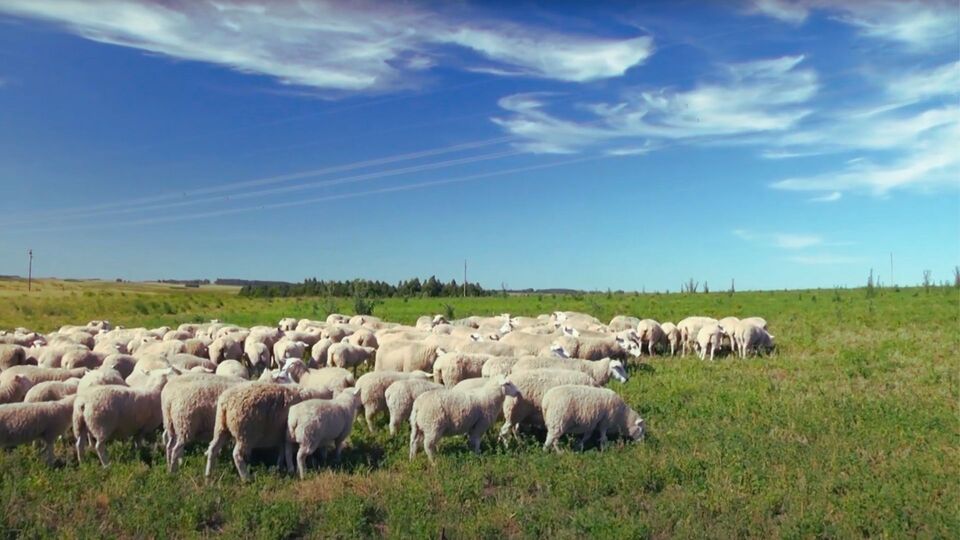
- Prolificacy and Survival: The Highlander is widely recognized for its high prolificacy. Ewes of this breed have a conception rate exceeding 180%, and the marking rate (weaned lambs per ewe) reaches 150%, with no more than 10-12% triplets. This high prolificacy translates to a greater number of lambs per ewe, significantly increasing profitability for producers. Additionally, the Highlander is known for its high lamb survival rate, ensuring that most born lambs reach the weaning stage.
- Early Maturity and Growth: Another outstanding characteristic of the Highlander is its early sexual maturity. Ewes reach sexual maturity between 6 and 7 months of age, at a weight of approximately 40 kg, allowing them to be bred at an early age. This early maturity helps accelerate the productive cycle and increase overall herd efficiency. Additionally, the Highlander shows a high growth rate in lambs, meaning lambs reach market weight faster than many other breeds. This is particularly advantageous in production systems where time is a critical factor for profitability.
- Weight: Regarding physical structure, adult Highlander females reach an average weight of 65 to 75 kg, making them an efficient and robust option for breeding. Males, on the other hand, are more muscular, with a weight ranging between 90 and 100 kg. This size and weight difference between sexes is typical of the breed and contributes to its ability to produce high-quality lambs with excellent meat yields.
- Meat Quality: The Highlander produces lambs with excellent meat conformation, characterized by a very favorable meat-to-bone ratio. Highlander meat is known for its juiciness and flavor, making it a preferred option in both local and international markets. The robust and well-proportioned body structure of the Highlander allows high-quality meat production without need for intensive supplementation, making it more sustainable and profitable for producers.
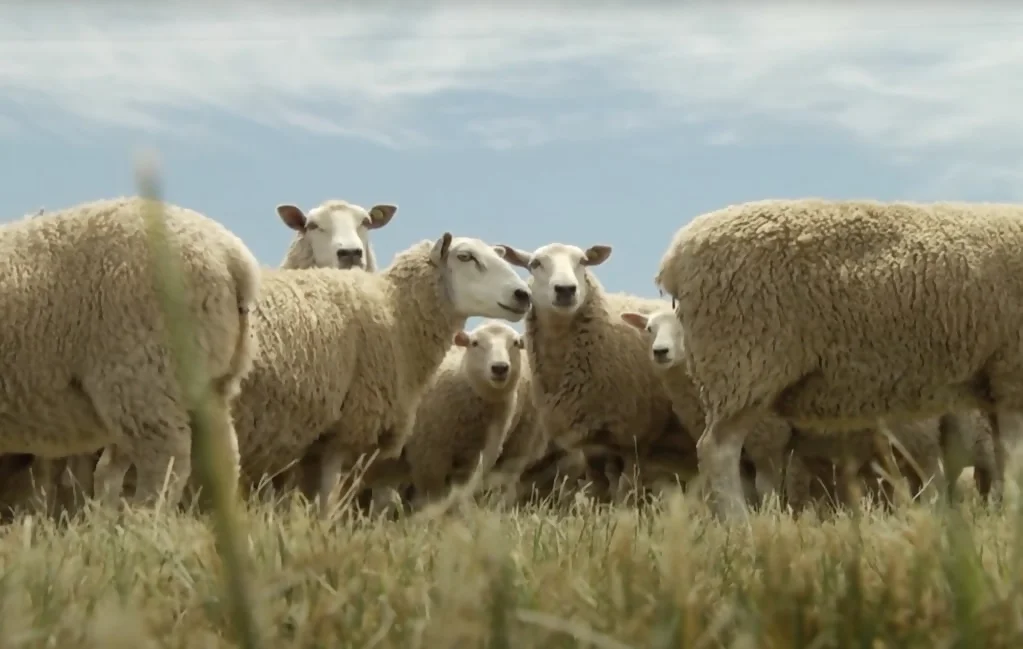
- Adaptability and Hardiness: The Highlander has demonstrated remarkable capacity to adapt to diverse climatic conditions and management systems. This breed is especially suitable for regions with environmental variability, thanks to its rusticity and ability to thrive on low-quality pastures. In Uruguay, for example, the Highlander has shown excellent adaptation to local conditions, enabling rapid adoption by producers.
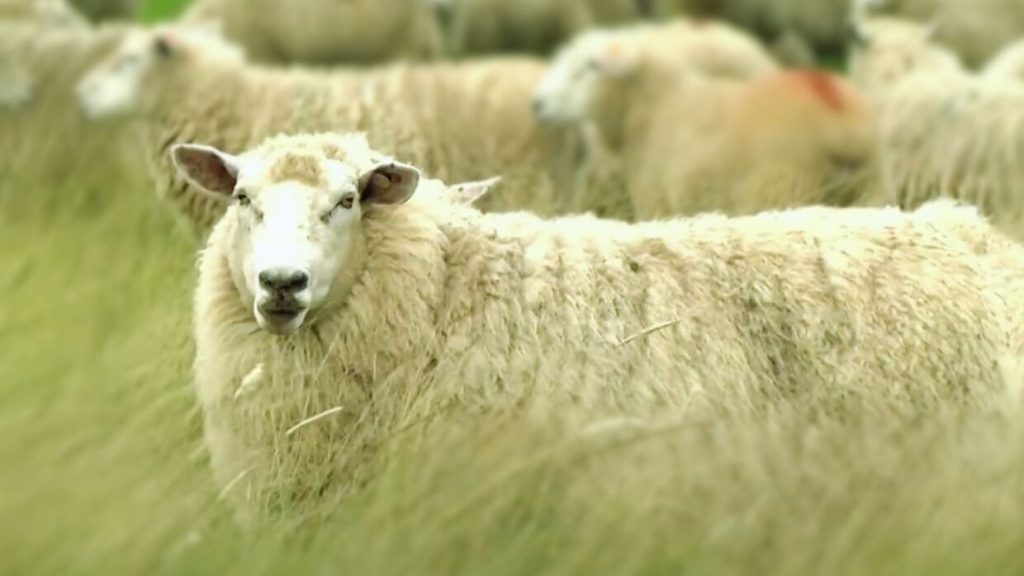
- Wool: Although Highlander sheep are primarily noted for meat production and high prolificacy, they also produce a white fleece weighing between 2.5 and 3 kg per shearing. Highlander wool has a fineness ranging from 28 to 32 microns, making it suitable for certain textile uses. While wool is not the primary focus of this breed’s production, its quality is added value for producers seeking to utilize all herd resources.
- High footrot tolerance: One of the lesser-known but extremely valuable advantages of the Highlander sheep breed is its high tolerance to footrot, a disease affecting sheep hooves that can cause lameness and significant productivity losses. The natural resistance of Highlander lambs to this condition reduces the need for veterinary treatments and helps keep herds healthy and active, in turn improving producer profitability. This characteristic is especially relevant for those operating in regions where footrot is common, ensuring a more robust herd with lower disease incidence rates.
Impact on Sheep Production in Uruguay
The introduction of the Highlander breed in Uruguay in 2005 has generated significant impact on the local sheep industry. Since then, the Highlander has been widely adopted by producers interested in improving the reproductive efficiency and profitability of their flocks. The Highlander Program in Uruguay, established to promote the breed, aims to «produce high-prolificacy mothers and efficient lamb production». The results obtained to date have been very positive, with increased lamb production and improvements in sheep production system efficiency.
One of the most noteworthy aspects of the Highlander’s impact in Uruguay is its ability to improve efficiency in extensive and semi-intensive production systems. Producers adopting the breed have reported increased profitability due to the greater number of weaned lambs per ewe and excellent meat quality produced.
Additionally, the Highlander has been used in crossbreeding programs to improve local breeds. Crossbreedings with the Highlander have proven effective for improving meat conformation and reproductive efficiency of local breeds, leading to increased total meat production and improved competitiveness of Uruguayan producers in international markets.
Future Perspectives for the Highlander Sheep Breed
As worldwide demand for high-quality sheep meat continues to grow, the Highlander breed is well-positioned to play a crucial role in meeting this demand. The combination of high prolificacy, excellent meat conformation, and adaptability makes the Highlander an attractive option for producers worldwide seeking to maximize farm profitability.
In Uruguay, the Highlander is expected to continue expanding as more producers recognize the benefits of its adoption. The breed’s ability to improve reproductive efficiency and meat quality makes it an ideal option for the extensive and semi-intensive production systems that predominate in the country.
Globally, the Highlander is also gaining popularity in other countries with similar sheep production conditions. In markets such as Australia, the United Kingdom, and South Africa, where sheep production is a major industry, the Highlander has proven to be a versatile and efficient breed, capable of improving productivity and profitability.
The Highlander sheep breed represents a significant innovation in global sheep production. Its high fertility rate, adaptability to diverse climatic conditions, and capacity to produce high-quality meat make the Highlander an ideal option for producers seeking to improve the efficiency and profitability of their operations.
Since its introduction to Uruguay, the Highlander has proven to be a highly efficient and profitable breed, with positive impact on the local sheep industry. As more producers adopt this breed, its influence is expected to continue growing, strengthening the competitiveness of the sheep industry worldwide.
With its combination of reproductive efficiency, meat quality, and adaptability, the Highlander is well-positioned to meet the demands of an ever-evolving global market, securing its place as one of the world’s most important sheep breeds.