

Texel Sheep: Characteristics, Meat Quality and Production
abril 6, 2026
5 Most Common Sheep Diseases Every Producer Must Know
abril 6, 2026
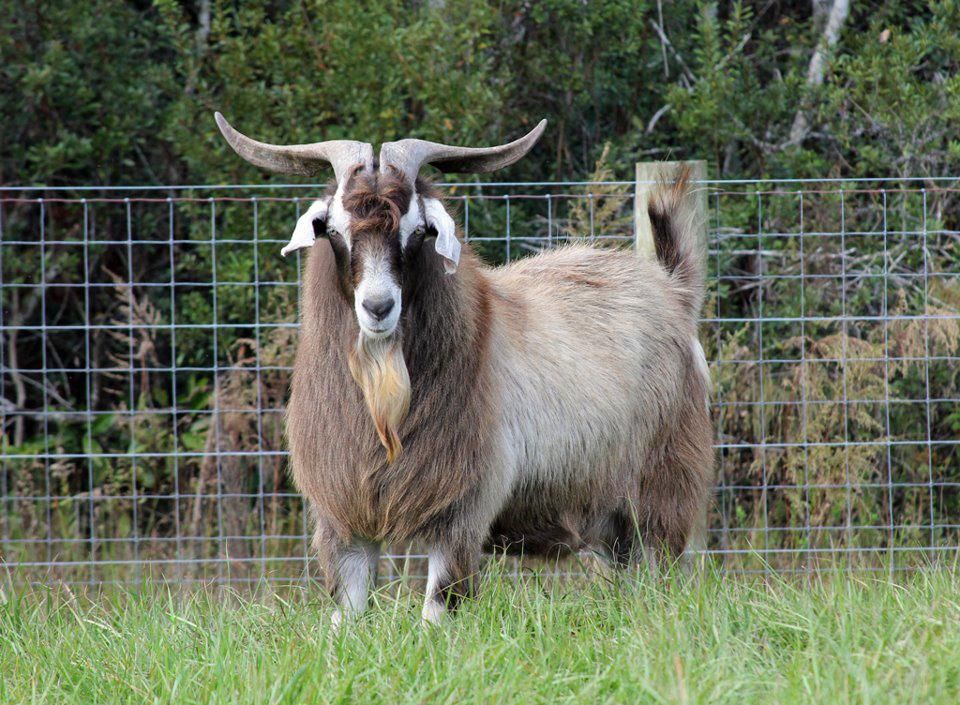
The Kiko goat is a meat breed developed in New Zealand in the 1970s and 1980s, valued worldwide for its exceptional combination of fast growth, outstanding parasite resistance, hardiness and low-input management requirements. The name «Kiko» comes from the Maori word for meat or flesh, reflecting the breed’s primary purpose.
Origin and Development
The Kiko was developed by Garrick and Anne Batten on their farm in the Nelson region of New Zealand’s South Island. Starting in the 1970s, they captured feral goats from the New Zealand bush — animals that had survived for generations without human care, developing natural hardiness and disease resistance — and intensively selected for growth rate, survival and meat production over multiple generations.
After decades of selection, the Kiko breed was established and registered in New Zealand in the 1980s. It was exported to the United States in the 1990s, where it gained rapid popularity among producers seeking a low-maintenance meat goat, especially in the southeastern US where internal parasite pressure (Haemonchus contortus) is extremely high.
Physical Characteristics
- Color: Most commonly white, though other colors (tan, brown, black) occur in some lines
- Horns: Both sexes are horned — large, sweeping horns in bucks
- Build: Lean, athletic, well-muscled — a «survivor» body type rather than the extreme muscling of the Boer
- Coat: Short, smooth
- Ears: Upright or semi-erect
- Adult buck weight: 65–100 kg
- Adult doe weight: 45–70 kg
The Kiko is smaller and leaner than the Boer, reflecting its selection for survival and efficiency rather than maximum muscle mass.
The Kiko’s Greatest Strength: Parasite Resistance
Multiple research trials in the United States and New Zealand have documented the Kiko’s superior resistance to gastrointestinal nematodes — particularly Haemonchus contortus (barber pole worm), the most important parasite in goats in warm climates.
Key research findings:
- Kiko goats consistently show significantly lower fecal egg counts than Boer, Spanish, and crossbred goats under the same conditions
- Lower FAMACHA scores — indicating better packed cell volume (less anemia from blood-sucking worms)
- Reduced need for anthelmintic treatment — fewer Kikos require treatment under targeted selective treatment (TST) protocols
- Better body condition maintenance even with worm challenge
In high-parasite-pressure environments (humid tropics, southeastern US, coastal regions), Kiko genetics can dramatically reduce anthelmintic use, deworming costs and parasite-related mortality.
Meat Production Performance
- Average daily gain: 150–250 g/day on pasture; up to 300 g/day with supplementation
- Slaughter weight: Kids reach 25–35 kg at 4–5 months
- Dressing percentage: 44–50%
- Carcass: Lean, well-muscled, though not as heavily muscled as Boer
The Kiko is not the fastest-growing or most heavily muscled meat goat. Its advantage is achieving acceptable growth with minimal inputs — less deworming, less supplementation, less veterinary intervention — resulting in a better net return per kid than higher-maintenance breeds in challenging environments.
Reproductive Characteristics
- Breeding season: Year-round in tropical climates; extended season in temperate zones
- Kidding rate: 150–200% — twins are common, triplets occur
- Doe size and milk: Does are mid-sized with sufficient milk to raise twins without supplementation in most cases
- Maternal ability: Excellent — a key selection criterion in the original Kiko development program. Kiko does have strong maternal instinct, good milk production relative to their size, and low kid mortality.
Kiko x Boer Crossbreeding
The most popular commercial cross in the United States is Kiko x Boer, combining:
- Kiko’s parasite resistance and hardiness
- Boer’s superior growth rate and carcass muscling
The resulting crossbred kids (often called «Kikos» or «commercial cross» in the US market) outperform purebred Boer in high-parasite environments while achieving better growth than purebred Kiko. This combination is increasingly used by commercial producers who want to reduce anthelmintic dependency without sacrificing carcass quality.
Is the Kiko Right for Your Operation?
The Kiko is an excellent choice if you:
- Farm in a high-humidity, high-parasite-pressure environment
- Want to reduce anthelmintic use and deworming labor
- Run an extensive, low-input system where animals must forage independently
- Are concerned about anthelmintic resistance in your worm population
- Want to improve the health resilience of your herd through crossbreeding
It may not be the best choice if your primary goal is maximum carcass weight and muscling in a low-parasite, high-input system — in that case, the Boer or Boer crosses will perform better.
Tracking FAMACHA scores, fecal egg counts, treatment records and growth data for each Kiko in OvinApp allows you to quantify parasite resistance at the individual animal level and select your most resistant animals for breeding — accelerating genetic improvement in your herd.